Online bond platforms may offer overseas-regulated products and tax-specific bonds subject to disclosures, compliance safeguards and revised complianc...
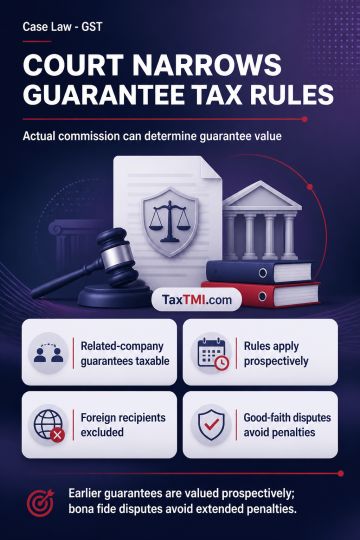
Corporate guarantee valuation permits actual ascertainable commission while barring retroactive application and extended-period penalties for bona fid...
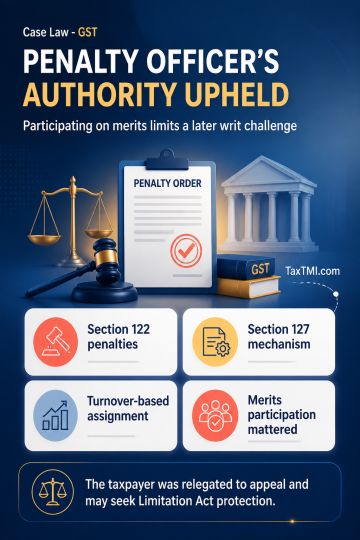
Proper-officer jurisdiction under UPGST penalty provisions upheld; participation on merits prevents bypassing the statutory appellate remedy through w...
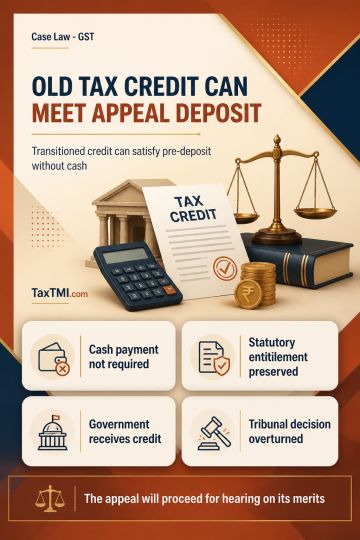
Transitioned CENVAT credit may validly satisfy mandatory pre-deposit requirements for legacy service tax appeals through Electronic Credit Ledger debi...
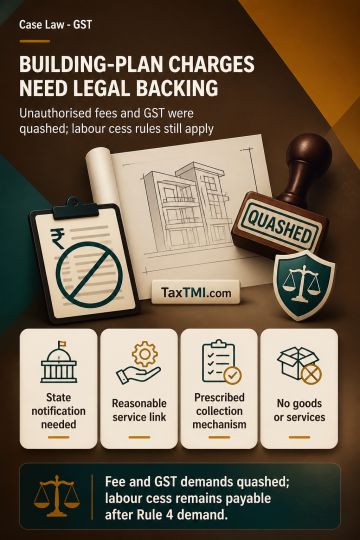
Building-plan sanction charges require statutory authority; unauthorised fees and GST were quashed, while labour cess must follow prescribed collectio...
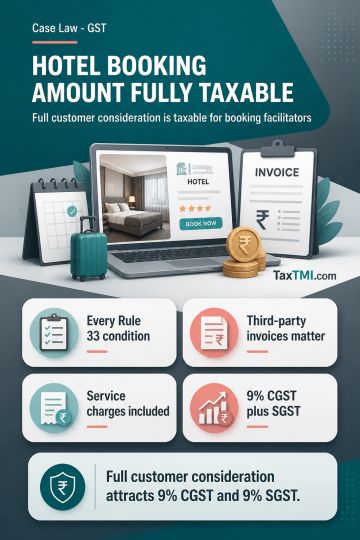
Pure-agent exclusion fails where hotel booking facilitators receive third-party services themselves, making entire customer consideration taxable as r...
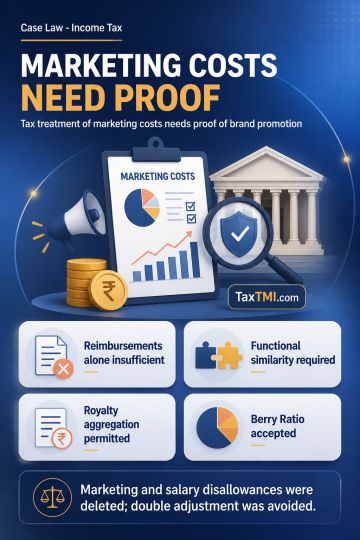
Transfer pricing requires evidence for AMP transactions, functionally reliable comparables, and appropriate aggregation or Berry Ratio benchmarking me...
A show cause notice under the CGST Act cannot club multiple financial years into one proceeding, because liability, annual return compliance and limitation operate separately for each tax period. A single notice combining distinct years would impermissibly aggregate different due dates and limitation consequences; the impugned notice was therefore quashed. The Court also held that, within the State, its own later decisions on this point were binding, and the contrary Delhi High Court view could not prevail. The Supreme Court's in limine dismissal of the challenge to that view did not attract merger and did not displace the binding effect of the Court's decisions. Liberty was reserved to issue a fresh notice in accordance with law.
A show cause notice under the CGST Act cannot club multiple financial years into one proceeding, because liability, annual return compliance and limitation operate separately for each tax period. A single notice combining distinct years would impermissibly aggregate different due dates and limitation consequences; the impugned notice was therefore quashed. The Court also held that, within the State, its own later decisions on this point were binding, and the contrary Delhi High Court view could not prevail. The Supreme Court's in limine dismissal of the challenge to that view did not attract merger and did not displace the binding effect of the Court's decisions. Liberty was reserved to issue a fresh notice in accordance with law.
Note: It is a system-generated summary and is for quick reference only.
 TaxTMI
  TaxTMI
 of 4817






 Join Channel


