Specialized Investment Fund distribution now requires dedicated certification, while transitional recognition preserves existing qualified distributor...
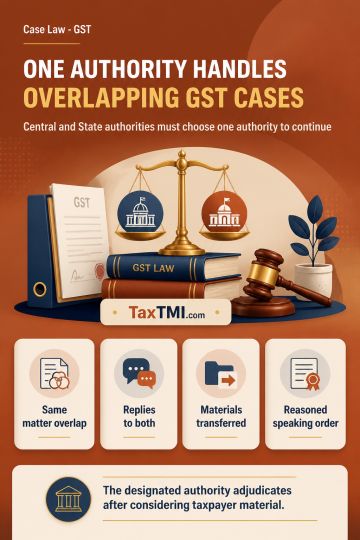
Overlapping GST proceedings require Central and State authorities to designate one competent authority for coordinated adjudication of the same matter...
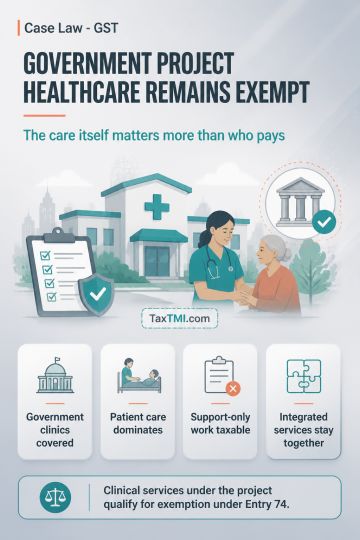
Composite healthcare supplies retain exemption when patient care is the contract's essential character, despite payment through an implementing agency...
Illness supported by undisputed medical material was treated as sufficient cause for condoning a 36-day delay in a petition under Section 58(3) of the Companies Act, with the Tribunal noting that the explanation remained uncontroverted despite opportunity. It held that "sufficient cause" is to be construed liberally to secure decision on merits, that Section 58(3) does not create a non-condonable outer limit, and that the Limitation Act principles could apply through Section 433 read with Section 29, with Rule 11 also available to advance substantial justice. The challenge to condonation was rejected and the delay remained condoned.
Illness supported by undisputed medical material was treated as sufficient cause for condoning a 36-day delay in a petition under Section 58(3) of the Companies Act, with the Tribunal noting that the explanation remained uncontroverted despite opportunity. It held that "sufficient cause" is to be construed liberally to secure decision on merits, that Section 58(3) does not create a non-condonable outer limit, and that the Limitation Act principles could apply through Section 433 read with Section 29, with Rule 11 also available to advance substantial justice. The challenge to condonation was rejected and the delay remained condoned.
Note: It is a system-generated summary and is for quick reference only.
 TaxTMI
 of 4805













 Join Channel


 TaxTMI