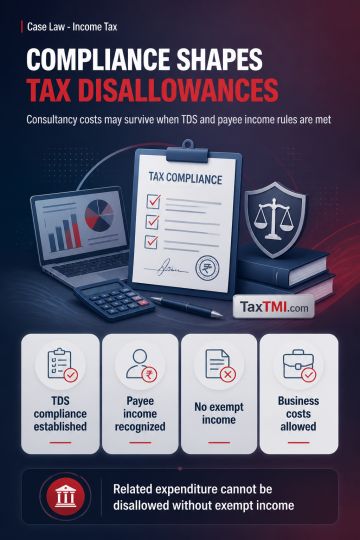
Tax deduction compliance and payee income recognition govern consultancy disallowance, while no exempt income prevents related expenditure disallowanc...
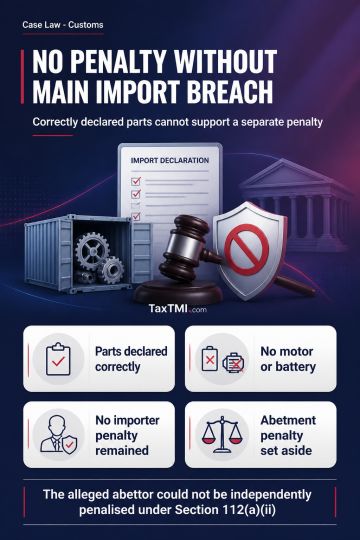
Derivative abetment liability fails when correctly declared imported components establish no underlying improper importation by the principal importer...
Page of 4805
Press 'Enter' after typing page number.
701 to 720 of 96100 Results
❮
❯
❯❯
0 / 200
Expand Note
Add to Folder
No Folders have been created
+
Are you sure you want to delete "My most important" ?
A second charge created under a consent decree and consequential deed of charge was upheld as a valid security interest where the first charge holder's priority remained expressly preserved and the second charge operated only after discharge of the first charge. The Tribunal held that absence of the first charge holder's prior consent did not render the second charge a nullity, and the liquidator was bound by the decree and deed. It also held that Regulation 21 of the Liquidation Process Regulations is enabling, not exhaustive, so security interest may be proved by other valid material. Non-registration under Section 77 of the Companies Act was not, by itself, enough to deny secured status. The appeal was dismissed.
A second charge created under a consent decree and consequential deed of charge was upheld as a valid security interest where the first charge holder's priority remained expressly preserved and the second charge operated only after discharge of the first charge. The Tribunal held that absence of the first charge holder's prior consent did not render the second charge a nullity, and the liquidator was bound by the decree and deed. It also held that Regulation 21 of the Liquidation Process Regulations is enabling, not exhaustive, so security interest may be proved by other valid material. Non-registration under Section 77 of the Companies Act was not, by itself, enough to deny secured status. The appeal was dismissed.
Note: It is a system-generated summary and is for quick reference only.
 TaxTMI
 of 4805









 Join Channel


 TaxTMI