Windmill commissioning evidence supported higher depreciation where grid connection and electricity generation proved operational use before the relev...
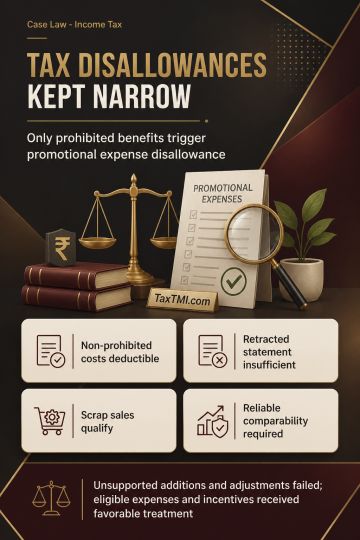
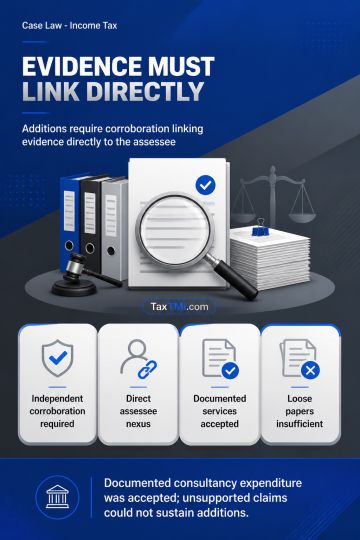
Pharmaceutical promotion and transfer-pricing comparability principles limited disallowances, while uncorroborated search allegations and unsupported ...
Business expenditure substantiation supports scrap credits, statutory payments and expense claims, while depreciation requires proof of actual busines...
Ad hoc gross profit estimation was held inappropriate where the Revenue sought to reject books of account after a survey and treat surrendered excess stock as a basis for additional income. The Tribunal noted that gross profit rates may vary between pre-survey and post-survey periods because market prices fluctuate, and that excess stock found in survey must be brought into the books and reflected in closing stock at the lower of cost or market price under AS-2. On that reasoning, the books could not be rejected on the stated grounds and the addition founded on ad hoc gross profit estimation was not sustainable.
Ad hoc gross profit estimation was held inappropriate where the Revenue sought to reject books of account after a survey and treat surrendered excess stock as a basis for additional income. The Tribunal noted that gross profit rates may vary between pre-survey and post-survey periods because market prices fluctuate, and that excess stock found in survey must be brought into the books and reflected in closing stock at the lower of cost or market price under AS-2. On that reasoning, the books could not be rejected on the stated grounds and the addition founded on ad hoc gross profit estimation was not sustainable.
Note: It is a system-generated summary and is for quick reference only.
 TaxTMI
  TaxTMI
 of 4811


















 Join Channel


