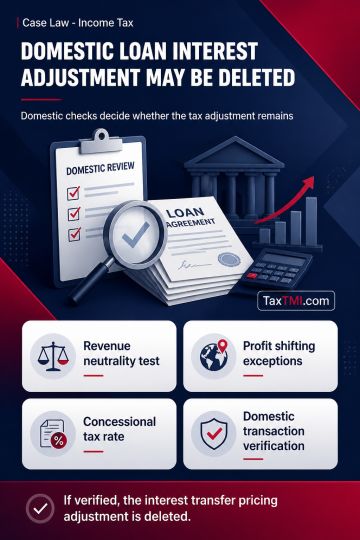
Revenue neutrality in domestic related-party loans can require deletion of interest transfer pricing adjustments after domestic-transaction verificati...
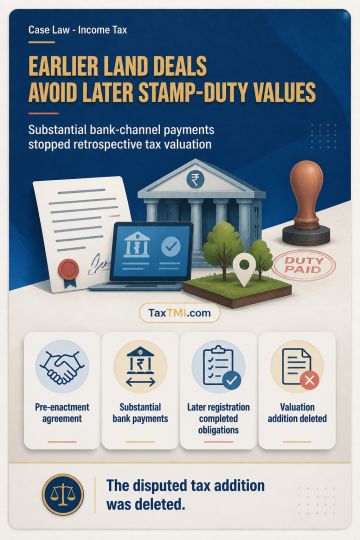
Pre-enactment land-sale agreements escape stamp-duty value substitution where substantial banking-channel consideration was received before Section 43...
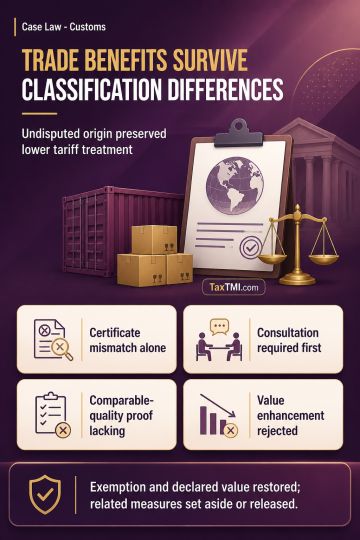
Customs valuation and classification require comparable evidence and assessment of imported goods in their actual condition, invalidating related pena...
Mere use of borrowed funds or the volume of share transactions did not change the character of shareholdings into stock-in-trade where the assessee consistently treated listed shares as investments and held them for more than 12 months. The Tribunal applied the settled principle that intention, consistency in treatment, and the surrounding facts govern classification of share transaction income. As the Assessing Officer relied only on the alleged flow of borrowed funds and did not make an objective analysis of frequency, holding period, intention at purchase, or book treatment, the gains were correctly assessed as capital gains. The Tribunal upheld the CIT(A) and treated both long-term and short-term gains as capital gains, not business income.
Mere use of borrowed funds or the volume of share transactions did not change the character of shareholdings into stock-in-trade where the assessee consistently treated listed shares as investments and held them for more than 12 months. The Tribunal applied the settled principle that intention, consistency in treatment, and the surrounding facts govern classification of share transaction income. As the Assessing Officer relied only on the alleged flow of borrowed funds and did not make an objective analysis of frequency, holding period, intention at purchase, or book treatment, the gains were correctly assessed as capital gains. The Tribunal upheld the CIT(A) and treated both long-term and short-term gains as capital gains, not business income.
Note: It is a system-generated summary and is for quick reference only.
 TaxTMI
  TaxTMI
 of 4809







 Join Channel


