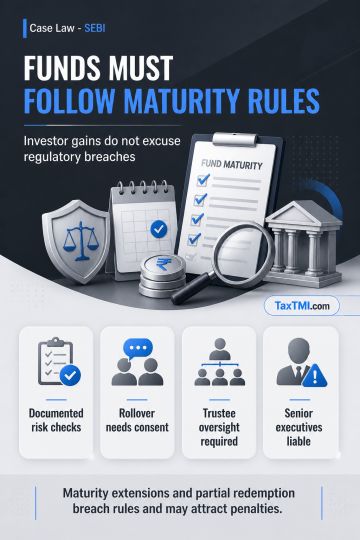
Mutual fund maturity rules require proper rollover, redemption, disclosure, and due diligence; investor gains cannot excuse regulatory breaches or pen...
Threshold exemption excludes exempt services, while stamp-paper purchases avoid reverse charge; consequential service tax penalties were also set asid...
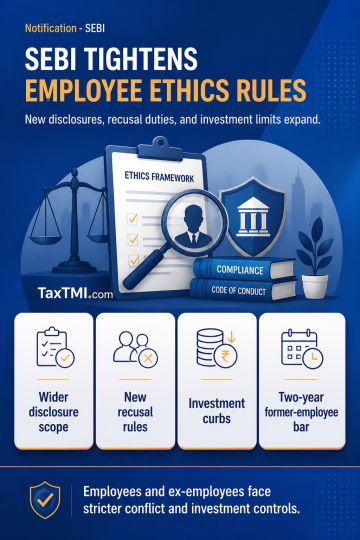
Employee conflict disclosures and investment restrictions expand with new recusal duties, post-employment limits, and compliance reporting requirement...
A revision under section 263 was sustained where the Assessing Officer had not made the enquiry and verification the scrutiny assessment required. The Tribunal noted that only generalized notices had been issued, with no real examination, follow-up enquiry or application of mind on the selected scrutiny issues, including expense claims, related-party payments and tax deduction defaults. It applied the principle that merely calling for details and filing them on record is not enough to constitute enquiry, and that Explanation 2(a) to section 263 applies when no proper view is formed after due examination. The assessee's contention that disclosure of details barred revision was rejected.
A revision under section 263 was sustained where the Assessing Officer had not made the enquiry and verification the scrutiny assessment required. The Tribunal noted that only generalized notices had been issued, with no real examination, follow-up enquiry or application of mind on the selected scrutiny issues, including expense claims, related-party payments and tax deduction defaults. It applied the principle that merely calling for details and filing them on record is not enough to constitute enquiry, and that Explanation 2(a) to section 263 applies when no proper view is formed after due examination. The assessee's contention that disclosure of details barred revision was rejected.
Note: It is a system-generated summary and is for quick reference only.
 TaxTMI
  TaxTMI
 of 4816













 Join Channel


