Opportunity to furnish unsecured-loan confirmations is required before reassessment initiation; proceedings require fresh consideration after taxpayer...
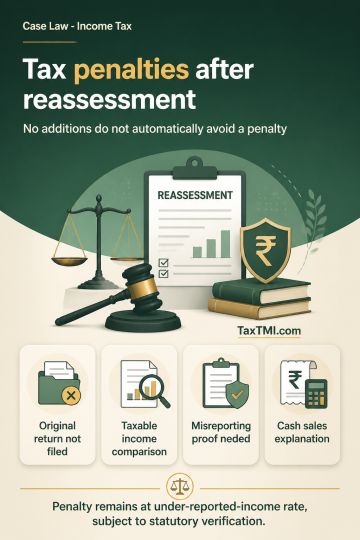
Under-reporting on a first reassessment return attracts penalty, while enhanced misreporting penalty requires proof of a statutory misreporting catego...
Reimbursement of salary cost for seconded employees was not taxable as fees for technical services where the secondees worked under the control of the Indian entity and the payment contained no separate service element. Applying the earlier ruling in the group concern case, the ITAT found no material factual distinction for the year under consideration and treated the receipt as falling within the employer-employee salary exclusion. The addition made on that basis was deleted. The challenge to the validity of the assessment order was not pressed and was therefore not admitted.
Reimbursement of salary cost for seconded employees was not taxable as fees for technical services where the secondees worked under the control of the Indian entity and the payment contained no separate service element. Applying the earlier ruling in the group concern case, the ITAT found no material factual distinction for the year under consideration and treated the receipt as falling within the employer-employee salary exclusion. The addition made on that basis was deleted. The challenge to the validity of the assessment order was not pressed and was therefore not admitted.
Note: It is a system-generated summary and is for quick reference only.
 TaxTMI
  TaxTMI
 of 4915