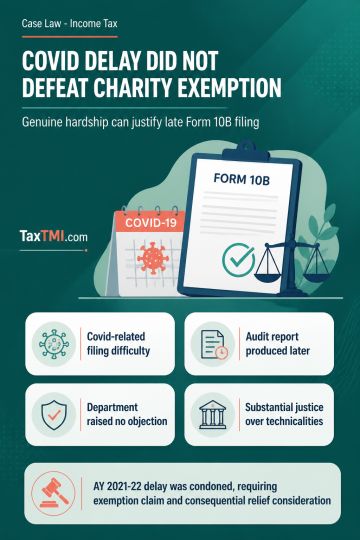
Belated Form 10B filing during Covid-19 cannot defeat charitable exemption where genuine hardship warrants condonation and substantial justice prevail...
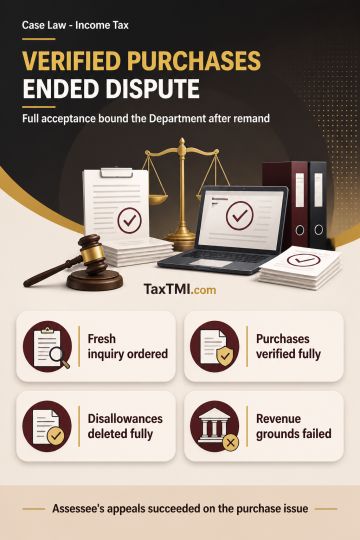
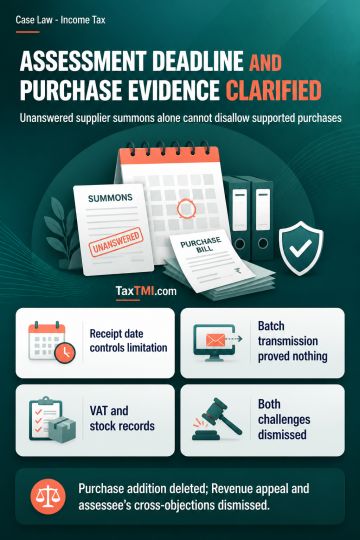
Limitation for consequential assessments runs from prescribed authority receipt, while verified purchases cannot be disallowed merely for unanswered s...
Higher depreciation for qualifying commercial vehicles, exempt-income disallowance, research deduction verification, and club-expense treatment clarif...
Charitable registration renewal cannot become an assessment of receipts, profitability or annual exemption compliance, requiring renewal and donation ...
Page of 4807
Press 'Enter' after typing page number.
101 to 120 of 96140 Results
❮
❯
❯❯
0 / 200
Expand Note
Add to Folder
No Folders have been created
+
Are you sure you want to delete "My most important" ?
A resolution plan was rejected because material non-compliances in the CIRP, including inadequate disclosure of avoidance/PUFE transactions, non-transparent handling of those proceedings, and lapses in performance security, undermined the fairness of the process. The Appellate Tribunal held that the Committee of Creditors' commercial wisdom could not cure defects where other applicants were deprived of material information and the plan proceeded on incomplete disclosure. It also upheld adverse findings against the erstwhile resolution professional, noting unsatisfactory explanations for failures in dealing with avoidance applications and security compliance. Both appeals were dismissed, and the direction to investigate the resolution professional's conduct was maintained.
A resolution plan was rejected because material non-compliances in the CIRP, including inadequate disclosure of avoidance/PUFE transactions, non-transparent handling of those proceedings, and lapses in performance security, undermined the fairness of the process. The Appellate Tribunal held that the Committee of Creditors' commercial wisdom could not cure defects where other applicants were deprived of material information and the plan proceeded on incomplete disclosure. It also upheld adverse findings against the erstwhile resolution professional, noting unsatisfactory explanations for failures in dealing with avoidance applications and security compliance. Both appeals were dismissed, and the direction to investigate the resolution professional's conduct was maintained.
Note: It is a system-generated summary and is for quick reference only.
 TaxTMI
  TaxTMI
 of 4807










 Join Channel