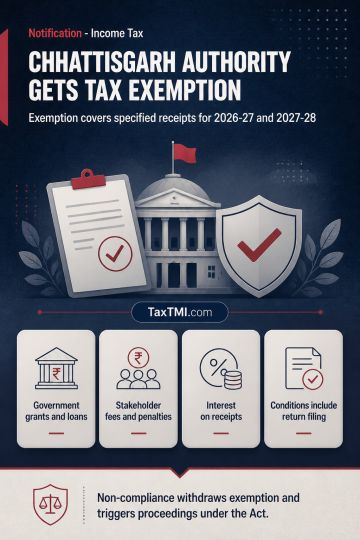
Specified regulatory authority income receives conditional tax exemption, subject to non-commercial activity, unchanged income character, and return f...
Tax exemption for regulatory authority income applies retrospectively, subject to non-commercial activity, unchanged income sources, and return-filing...
Input tax credit conditions remain constitutionally valid, with eligible recipient claims considered under GST circulars and retrospective filing dead...
Bogus donation receipts justified commission income assessment and defeated political-party tax exemption for inaccurate accounts and reporting failur...
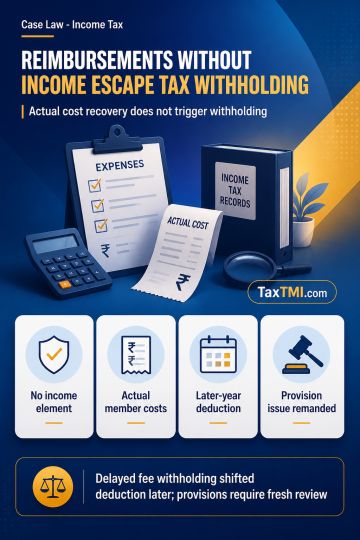
Pure reimbursement without income element escapes tax withholding, while delayed withholding and unsupported provisions face deferred or renewed scrut...
Public benefit requirement defeats charitable registration where residents' association services are reciprocal, member-only facilities governed by mu...
A resolution plan was rejected because material non-compliances in the CIRP, including inadequate disclosure of avoidance/PUFE transactions, non-transparent handling of those proceedings, and lapses in performance security, undermined the fairness of the process. The Appellate Tribunal held that the Committee of Creditors' commercial wisdom could not cure defects where other applicants were deprived of material information and the plan proceeded on incomplete disclosure. It also upheld adverse findings against the erstwhile resolution professional, noting unsatisfactory explanations for failures in dealing with avoidance applications and security compliance. Both appeals were dismissed, and the direction to investigate the resolution professional's conduct was maintained.
A resolution plan was rejected because material non-compliances in the CIRP, including inadequate disclosure of avoidance/PUFE transactions, non-transparent handling of those proceedings, and lapses in performance security, undermined the fairness of the process. The Appellate Tribunal held that the Committee of Creditors' commercial wisdom could not cure defects where other applicants were deprived of material information and the plan proceeded on incomplete disclosure. It also upheld adverse findings against the erstwhile resolution professional, noting unsatisfactory explanations for failures in dealing with avoidance applications and security compliance. Both appeals were dismissed, and the direction to investigate the resolution professional's conduct was maintained.
Note: It is a system-generated summary and is for quick reference only.
 TaxTMI
  TaxTMI
 of 4814














 Join Channel


