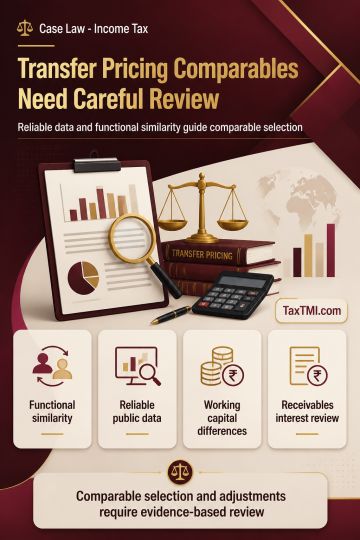
Transfer pricing comparability requires functional alignment, reliable financial data, and careful review of working capital and receivables adjustmen...
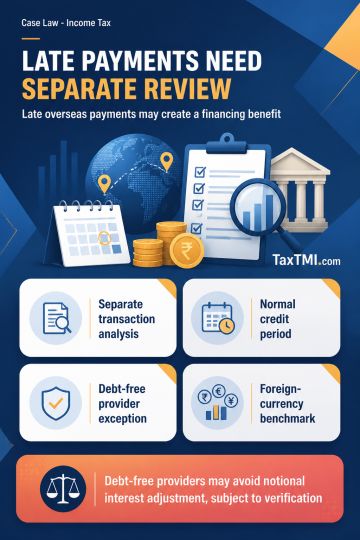
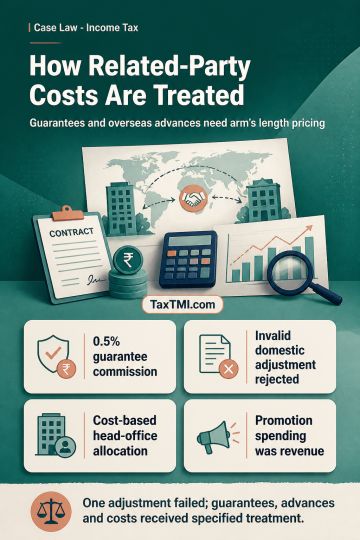
Transfer pricing rules require benchmarking corporate guarantees and associated-enterprise advances, while invalid domestic-transaction adjustments ca...
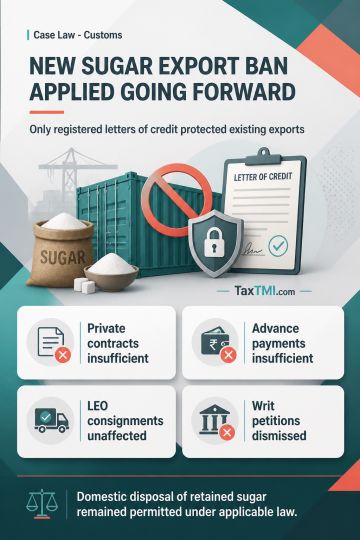
Prospective sugar export prohibition required registered letters of credit; private contracts and export quotas created no enforceable continuation ri...
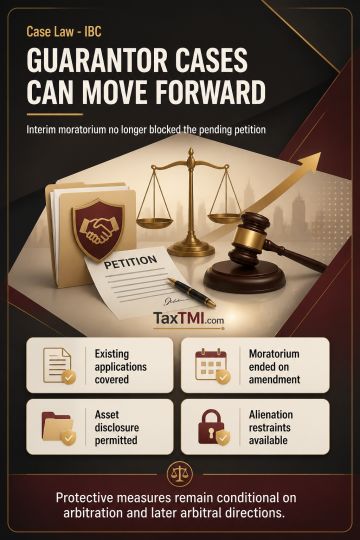
Retroactive interim-moratorium exclusion permits protective asset disclosure and preservation measures against personal guarantors pending arbitration...
Page of 4813
Press 'Enter' after typing page number.
761 to 780 of 96257 Results
❮
❯
❯❯
0 / 200
Expand Note
Add to Folder
No Folders have been created
+
Are you sure you want to delete "My most important" ?
Absence of pre-trade authorisation is not conclusive of unauthorised trading and, by itself, may only trigger regulatory consequences; a client who does not object within a reasonable time cannot ordinarily disown the trades. Here, however, the HC upheld the arbitral award because the arbitrator found, on WhatsApp messages, audio recordings and transaction data, that the trades were manipulated, induced by promises of high returns, and continued under pressure, amounting to blatantly unauthorised and prejudicial trading. The Court also held that the broker was vicariously liable for fraudulent acts carried out by its Alliance Partner and employees in the course of the broker's business, so no patent illegality or perversity justified interference under Section 37.
Absence of pre-trade authorisation is not conclusive of unauthorised trading and, by itself, may only trigger regulatory consequences; a client who does not object within a reasonable time cannot ordinarily disown the trades. Here, however, the HC upheld the arbitral award because the arbitrator found, on WhatsApp messages, audio recordings and transaction data, that the trades were manipulated, induced by promises of high returns, and continued under pressure, amounting to blatantly unauthorised and prejudicial trading. The Court also held that the broker was vicariously liable for fraudulent acts carried out by its Alliance Partner and employees in the course of the broker's business, so no patent illegality or perversity justified interference under Section 37.
Note: It is a system-generated summary and is for quick reference only.
 TaxTMI
  TaxTMI
 of 4813










 Join Channel