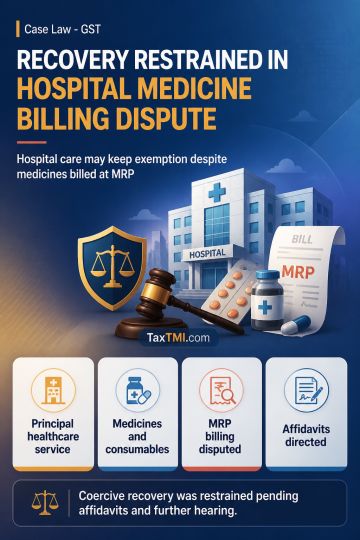
Composite inpatient healthcare supply may retain exemption despite MRP medicine billing, while separate taxable sale characterisation remains disputed...
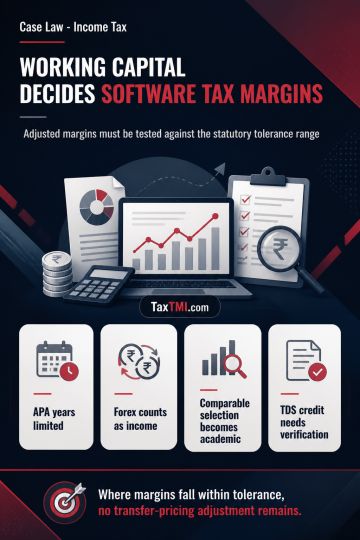
Working-capital adjustment determines whether software-services transfer-pricing margins fall within the statutory tolerance range, eliminating any ad...
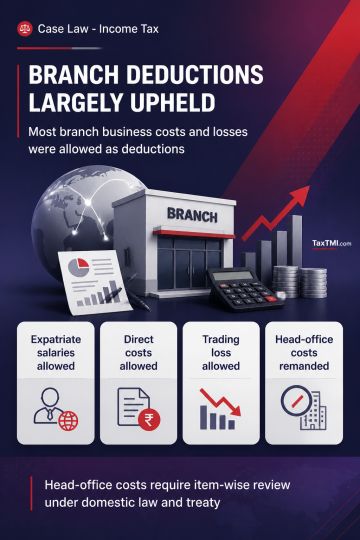
Permanent establishment deductions upheld for expatriate salaries, direct costs and trading losses, while head-office costs require fresh classificati...
Biodegradable bag classification depends on constituent material: bags made of polymer or compostable plastics fall under Chapter 39, while bags made of paper fall under Chapter 48. The Authority declined to determine actual biodegradability or compostability, treating that as a scientific question outside its jurisdiction under Section 97(2). Entry No. 319 of Schedule I grants a 5% concessional rate for paper sacks/bags and biodegradable bags only if the goods are in fact biodegradable; if that condition is not met, the concessional entry does not apply and the general rate under the applicable Chapter 39 classification governs.
Biodegradable bag classification depends on constituent material: bags made of polymer or compostable plastics fall under Chapter 39, while bags made of paper fall under Chapter 48. The Authority declined to determine actual biodegradability or compostability, treating that as a scientific question outside its jurisdiction under Section 97(2). Entry No. 319 of Schedule I grants a 5% concessional rate for paper sacks/bags and biodegradable bags only if the goods are in fact biodegradable; if that condition is not met, the concessional entry does not apply and the general rate under the applicable Chapter 39 classification governs.
Note: It is a system-generated summary and is for quick reference only.
 TaxTMI
  TaxTMI
 of 4817




 Join Channel