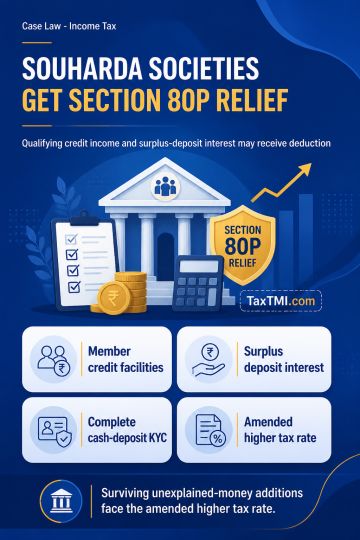
Section 80P deduction covers Souharda credit societies, including qualifying surplus-deposit interest, subject to member KYC verification for cash dep...
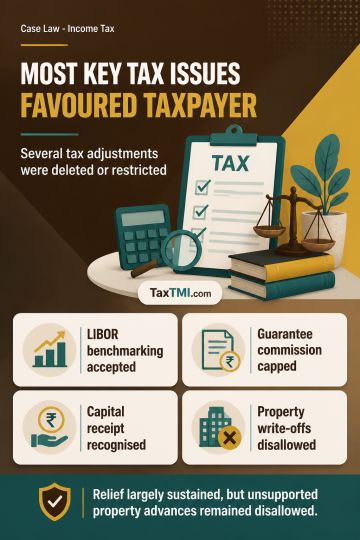
Transfer-pricing benchmarking and capital-receipt principles sustained taxpayer relief, while unsupported property-advance write-offs remained disallo...
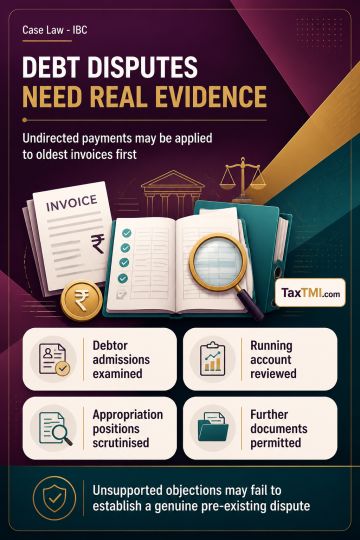
Pre-existing operational debt disputes require genuine evidence, while undirected running-account payments may be appropriated on a first-in-first-out...
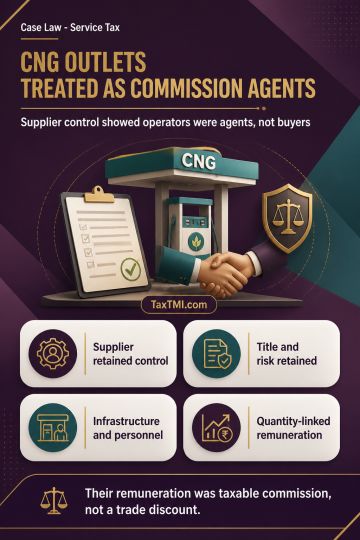
Agency in CNG distribution makes outlet operators commission agents, rendering taxable Business Auxiliary Service rather than purchasing goods for res...
Biodegradable bag classification depends on constituent material: bags made of polymer or compostable plastics fall under Chapter 39, while bags made of paper fall under Chapter 48. The Authority declined to determine actual biodegradability or compostability, treating that as a scientific question outside its jurisdiction under Section 97(2). Entry No. 319 of Schedule I grants a 5% concessional rate for paper sacks/bags and biodegradable bags only if the goods are in fact biodegradable; if that condition is not met, the concessional entry does not apply and the general rate under the applicable Chapter 39 classification governs.
Biodegradable bag classification depends on constituent material: bags made of polymer or compostable plastics fall under Chapter 39, while bags made of paper fall under Chapter 48. The Authority declined to determine actual biodegradability or compostability, treating that as a scientific question outside its jurisdiction under Section 97(2). Entry No. 319 of Schedule I grants a 5% concessional rate for paper sacks/bags and biodegradable bags only if the goods are in fact biodegradable; if that condition is not met, the concessional entry does not apply and the general rate under the applicable Chapter 39 classification governs.
Note: It is a system-generated summary and is for quick reference only.
 TaxTMI
  TaxTMI
 of 4817




 Join Channel


