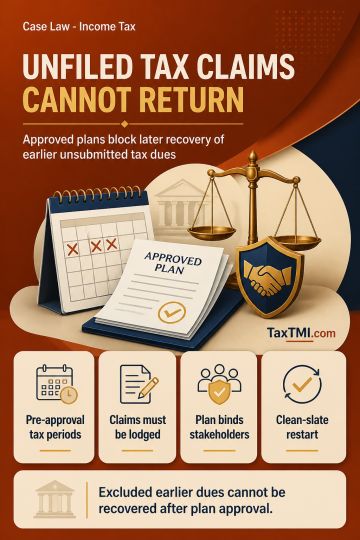
Approved resolution plans extinguish unsubmitted pre-approval tax claims, preventing later recovery outside the insolvency process and preserving a cl...
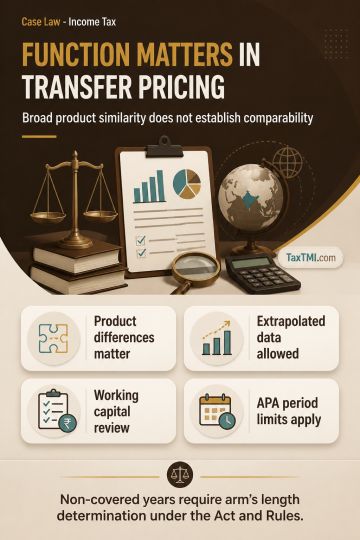
Transfer pricing comparability requires functional alignment and permits working capital adjustment, while APA margins cannot govern non-covered years...
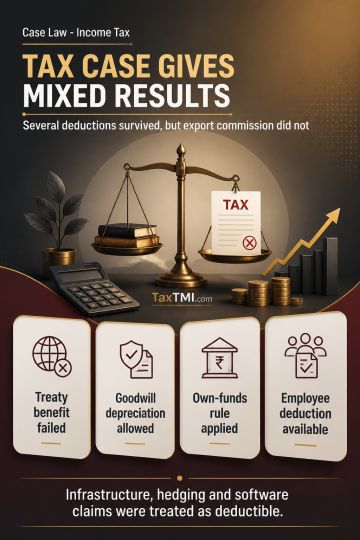
Treaty benefit, goodwill depreciation and hedging costs: export commission disallowed, while key business deductions and depreciation claims succeeded...
Biodegradable bag classification depends on constituent material: bags made of polymer or compostable plastics fall under Chapter 39, while bags made of paper fall under Chapter 48. The Authority declined to determine actual biodegradability or compostability, treating that as a scientific question outside its jurisdiction under Section 97(2). Entry No. 319 of Schedule I grants a 5% concessional rate for paper sacks/bags and biodegradable bags only if the goods are in fact biodegradable; if that condition is not met, the concessional entry does not apply and the general rate under the applicable Chapter 39 classification governs.
Biodegradable bag classification depends on constituent material: bags made of polymer or compostable plastics fall under Chapter 39, while bags made of paper fall under Chapter 48. The Authority declined to determine actual biodegradability or compostability, treating that as a scientific question outside its jurisdiction under Section 97(2). Entry No. 319 of Schedule I grants a 5% concessional rate for paper sacks/bags and biodegradable bags only if the goods are in fact biodegradable; if that condition is not met, the concessional entry does not apply and the general rate under the applicable Chapter 39 classification governs.
Note: It is a system-generated summary and is for quick reference only.
 TaxTMI
  TaxTMI
 of 4817



 Join Channel