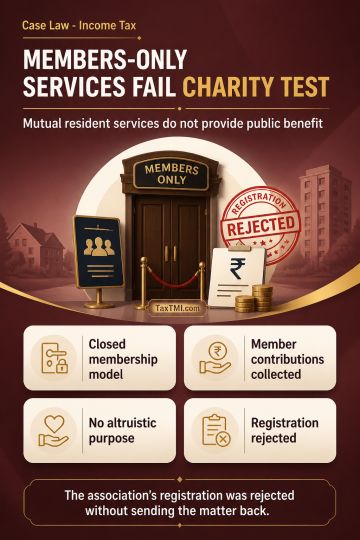
Public benefit requirement defeats charitable registration where residents' association services are reciprocal, member-only facilities governed by mu...
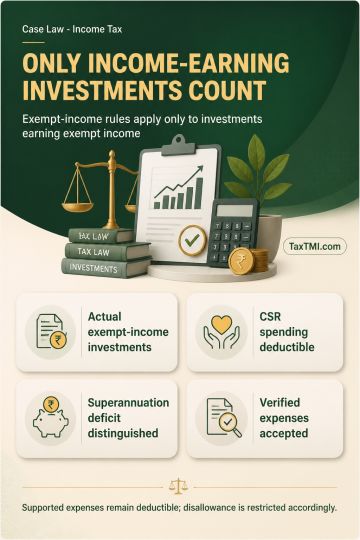
Exempt-income expenditure disallowance is confined to investments that actually generated exempt income, while supported business expenses remain dedu...
Objective characteristics and principal use govern mining-tyre classification, while fresh advance ruling applications may rely on additional technica...
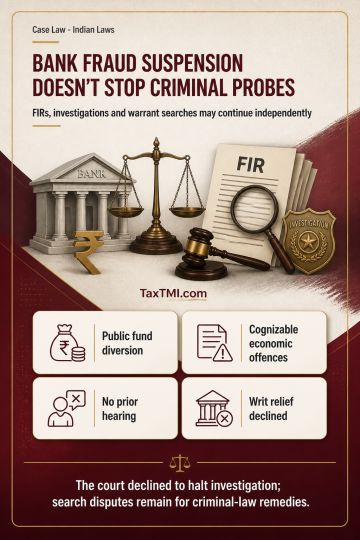
Administrative fraud classification suspension does not halt independent criminal investigation or warrant-based searches into alleged economic offenc...
Biodegradable bag classification depends on constituent material: bags made of polymer or compostable plastics fall under Chapter 39, while bags made of paper fall under Chapter 48. The Authority declined to determine actual biodegradability or compostability, treating that as a scientific question outside its jurisdiction under Section 97(2). Entry No. 319 of Schedule I grants a 5% concessional rate for paper sacks/bags and biodegradable bags only if the goods are in fact biodegradable; if that condition is not met, the concessional entry does not apply and the general rate under the applicable Chapter 39 classification governs.
Biodegradable bag classification depends on constituent material: bags made of polymer or compostable plastics fall under Chapter 39, while bags made of paper fall under Chapter 48. The Authority declined to determine actual biodegradability or compostability, treating that as a scientific question outside its jurisdiction under Section 97(2). Entry No. 319 of Schedule I grants a 5% concessional rate for paper sacks/bags and biodegradable bags only if the goods are in fact biodegradable; if that condition is not met, the concessional entry does not apply and the general rate under the applicable Chapter 39 classification governs.
Note: It is a system-generated summary and is for quick reference only.
 TaxTMI
  TaxTMI
 of 4819






 Join Channel


