Opportunity to respond to jurisdictional reports is mandatory before customs settlement duty enhancement; connected applications require consistent ad...
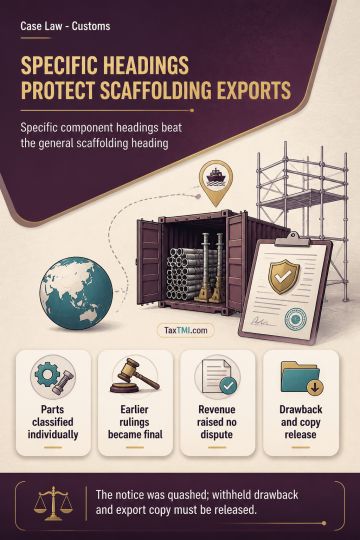
Specific customs headings for scaffolding components prevail over general classification, invalidating misclassification proceedings and enabling with...
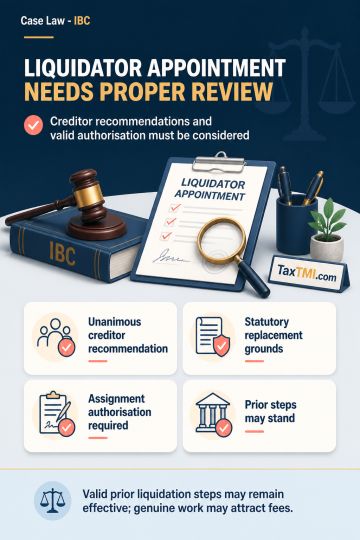
Liquidator appointment under Section 34 requires consideration of creditor recommendations, valid professional authorisation, and preservation of vali...
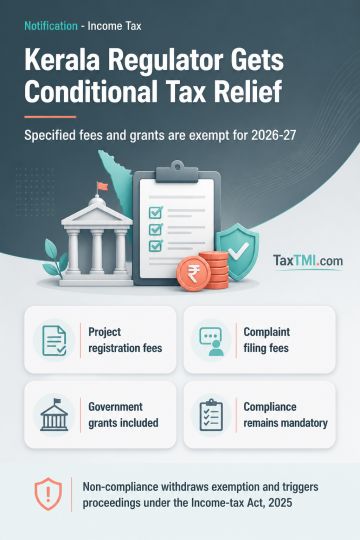
Income-tax exemption for specified regulatory fees and government grants applies subject to non-commercial activity and continuing compliance conditio...
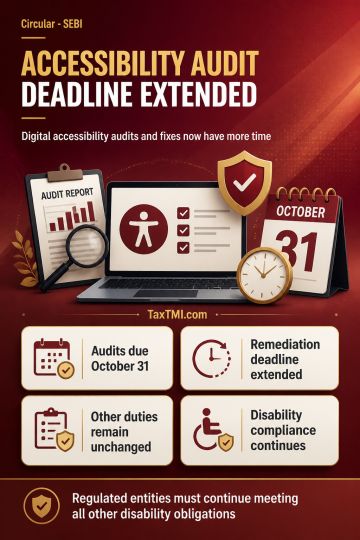
Digital accessibility audit and remediation deadlines extended, while all other disability-compliance obligations for regulated entities remain unchan...
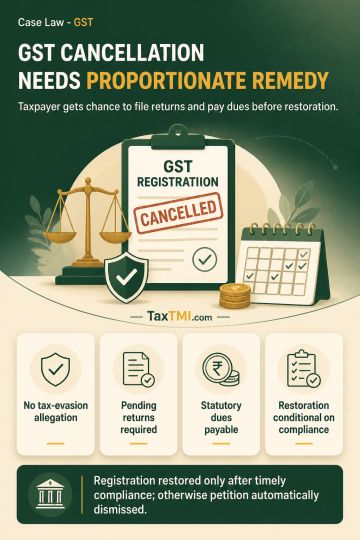
Writ jurisdiction can be used to restore a GST appellate remedy where the statutory condonation limit prevents consideration of a delayed appeal, if the delay is shown to arise from circumstances beyond the appellant's control. The Court treated cancellation of GST registration as affecting the ability to carry on business and livelihood, and found that refusal to hear the appeal on merits would cause grave prejudice. It therefore condoned the 720-day delay, set aside the order rejecting the appeal as time-barred, and directed the appellate authority to hear and decide the appeal on merits.
Writ jurisdiction can be used to restore a GST appellate remedy where the statutory condonation limit prevents consideration of a delayed appeal, if the delay is shown to arise from circumstances beyond the appellant's control. The Court treated cancellation of GST registration as affecting the ability to carry on business and livelihood, and found that refusal to hear the appeal on merits would cause grave prejudice. It therefore condoned the 720-day delay, set aside the order rejecting the appeal as time-barred, and directed the appellate authority to hear and decide the appeal on merits.
Note: It is a system-generated summary and is for quick reference only.
 TaxTMI
  TaxTMI
 of 4819












 Join Channel