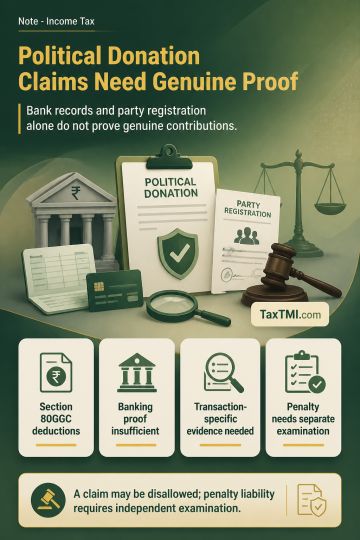
Political contribution deductions require genuine transactions; banking records and party registration alone cannot defeat evidence of accommodation e...
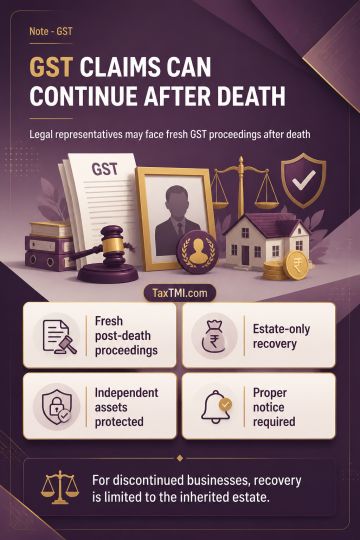
Post-death GST liability permits fresh proceedings against legal representatives, while discontinued-business recovery remains limited to the inherite...
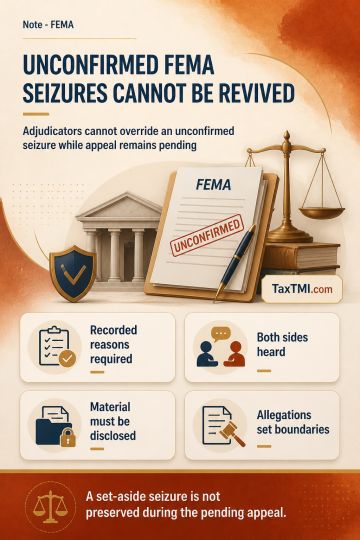
Non-confirmation of FEMA seizure prevents adjudicators from overriding pending appellate findings on recorded reasons and suspected foreign asset hold...
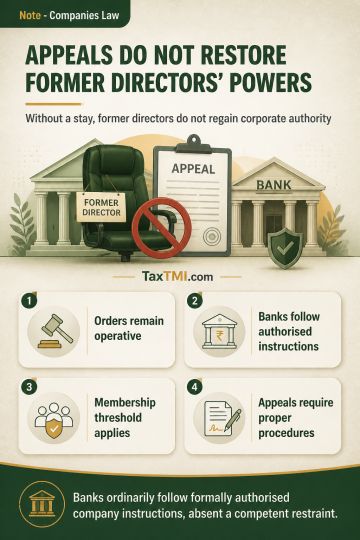
A fresh claim for possession of premises in liquidation was barred by res judicata and issue estoppel because the later application was virtually identical to the earlier rejected one and no liberty had been reserved to re-agitate it. On merits, the HC held that summary jurisdiction under Section 457 of the Companies Act is confined to whether the Official Liquidator has a relevant reason to remain in possession. As liquidation was continuing and the premises were still being used, continued retention was justified, and the applicant could not compel surrender of vested tenancy rights or conversion to a leave and licence arrangement. The application was dismissed with costs.
A fresh claim for possession of premises in liquidation was barred by res judicata and issue estoppel because the later application was virtually identical to the earlier rejected one and no liberty had been reserved to re-agitate it. On merits, the HC held that summary jurisdiction under Section 457 of the Companies Act is confined to whether the Official Liquidator has a relevant reason to remain in possession. As liquidation was continuing and the premises were still being used, continued retention was justified, and the applicant could not compel surrender of vested tenancy rights or conversion to a leave and licence arrangement. The application was dismissed with costs.
Note: It is a system-generated summary and is for quick reference only.
 TaxTMI
  TaxTMI
 of 4918