Tax exemption for regulatory authority income applies retrospectively, subject to non-commercial activity, unchanged income sources, and return filing...
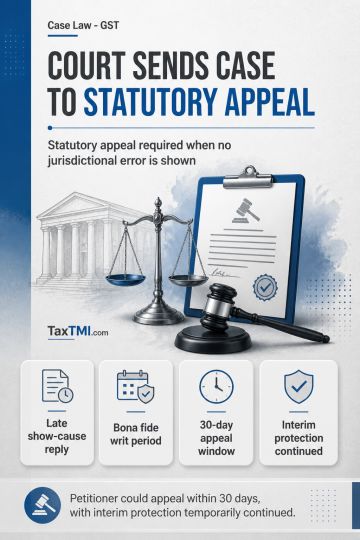
Dispute Resolution Panel objections must reach both prescribed forums; otherwise assessment may proceed and statutory appeal remains the proper remedy...
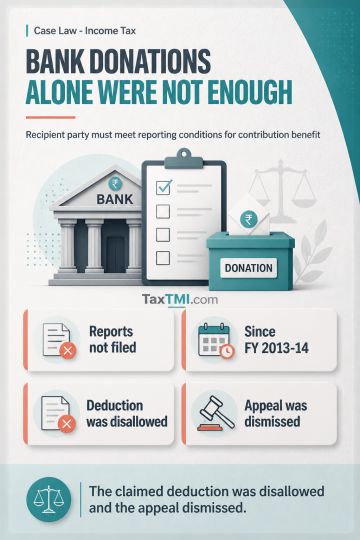
Political contribution deductions require recipient party compliance with contribution-reporting conditions; banking-channel donations alone do not qu...
Aggregation under TNMM prevents selective testing of intra-group services without comparable uncontrolled transactions, while appellate additional cla...
Protective assessment cannot duplicate identical receipts under competing characterisations; remote services did not establish a taxable permanent est...
Page of 4817
Press 'Enter' after typing page number.
961 to 980 of 96333 Results
❮
❯
❯❯
0 / 200
Expand Note
Add to Folder
No Folders have been created
+
Are you sure you want to delete "My most important" ?
Section 31 review of a resolution plan is limited to statutory compliance and procedural fairness; the Adjudicating Authority cannot reappraise CoC commercial wisdom unless the record shows opacity, incomplete disclosure or abuse of CIRP. The Tribunal found the Information Memorandum and process defective because asset values fell, liabilities disappeared, and no proper audit or meaningful disclosure explained the changes or addressed possible avoidance issues. It also recognised an implied duty on a creditor involved in parallel CIRPs to disclose material facts affecting transparency, though non-disclosure is not automatically fatal. On these facts, the plan was rightly rejected and liquidation confirmed.
Section 31 review of a resolution plan is limited to statutory compliance and procedural fairness; the Adjudicating Authority cannot reappraise CoC commercial wisdom unless the record shows opacity, incomplete disclosure or abuse of CIRP. The Tribunal found the Information Memorandum and process defective because asset values fell, liabilities disappeared, and no proper audit or meaningful disclosure explained the changes or addressed possible avoidance issues. It also recognised an implied duty on a creditor involved in parallel CIRPs to disclose material facts affecting transparency, though non-disclosure is not automatically fatal. On these facts, the plan was rightly rejected and liquidation confirmed.
Note: It is a system-generated summary and is for quick reference only.
 TaxTMI
  TaxTMI
 of 4817




















 Join Channel