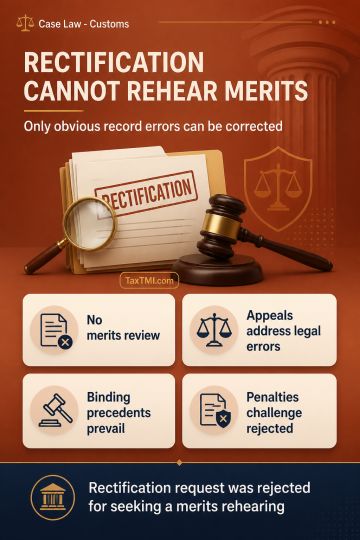
Rectification of mistake remains limited to self-evident record errors, preventing merits review through miscellaneous applications and preserving fin...
Tender creditworthiness conditions may extend to de facto Promoter Directors, with post-participation challenges generally barred absent arbitrariness...
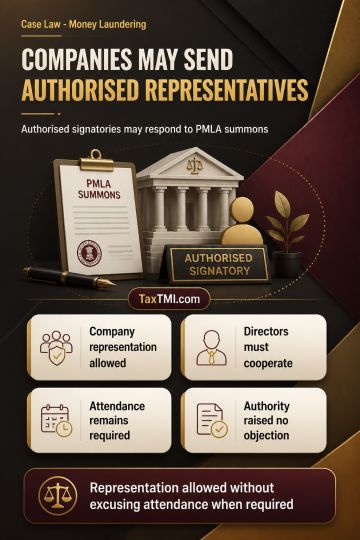
Corporate representation in PMLA summons proceedings permitted through an authorised signatory, subject to directors' continuing cooperation and atten...
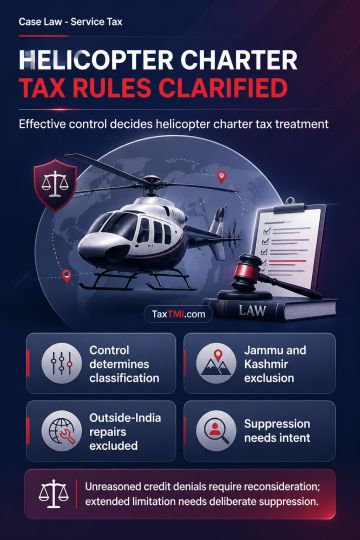
Helicopter charter classification requires effective control analysis, while territorial performance, reasoned credit orders and wilful suppression de...
Specified fund definition expands PAN exemption eligibility for registered alternative investment funds and qualifying International Financial Service...
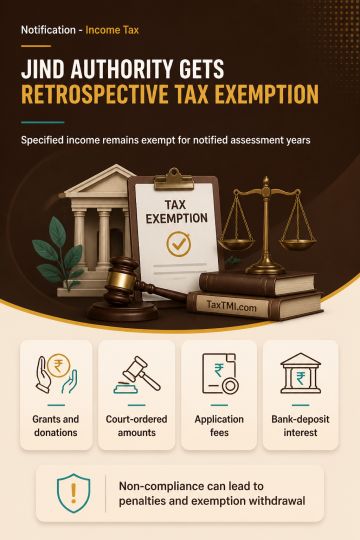
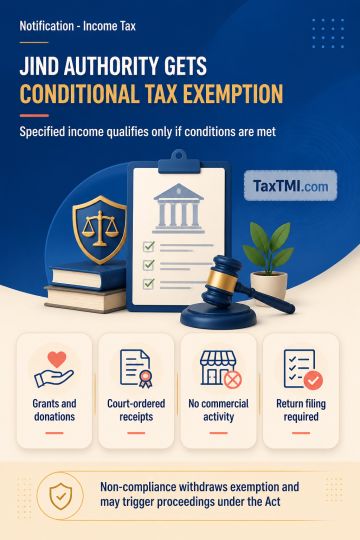
Tax exemption for specified legal-services authority income applies retrospectively, subject to non-commercial activity, unchanged income sources, and...
Page of 4817
Press 'Enter' after typing page number.
1201 to 1220 of 96333 Results
❮
❯
❯❯
0 / 200
Expand Note
Add to Folder
No Folders have been created
+
Are you sure you want to delete "My most important" ?
Service tax demand based solely on Form 26AS was unsustainable because taxability had to be determined from the statute, relevant records and exemption materials, not inferred from third-party information. The Court held that the authorities failed to examine the plea that the receipts related to government works contracts covered by exemption and therefore did not establish any taxable liability under the Finance Act, 1994. It also held that the extended limitation period could be invoked only on the statutory grounds of fraud, suppression or intent to evade, none of which were properly found. The writ petition was maintainable despite an alternative appeal remedy because the impugned proceedings suffered from jurisdictional error and patent legal infirmity, and the demand, interest and penalty were quashed.
Service tax demand based solely on Form 26AS was unsustainable because taxability had to be determined from the statute, relevant records and exemption materials, not inferred from third-party information. The Court held that the authorities failed to examine the plea that the receipts related to government works contracts covered by exemption and therefore did not establish any taxable liability under the Finance Act, 1994. It also held that the extended limitation period could be invoked only on the statutory grounds of fraud, suppression or intent to evade, none of which were properly found. The writ petition was maintainable despite an alternative appeal remedy because the impugned proceedings suffered from jurisdictional error and patent legal infirmity, and the demand, interest and penalty were quashed.
Note: It is a system-generated summary and is for quick reference only.
 TaxTMI
  TaxTMI
 of 4817









 Join Channel