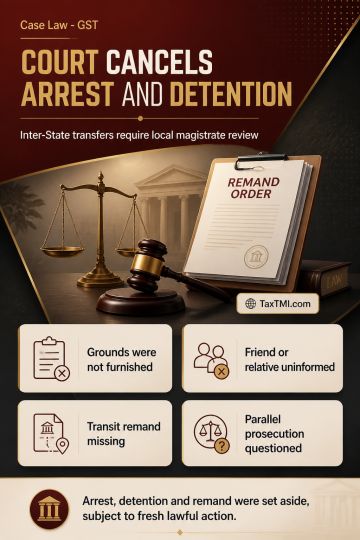
Arrest safeguards and transit remand requirements invalidated detention following inter-State transfer without communicated grounds or magistrate auth...
Arrest safeguards require disclosed grounds, relative intimation and transit remand, while duplicate prosecution under the CGST framework is unsustain...
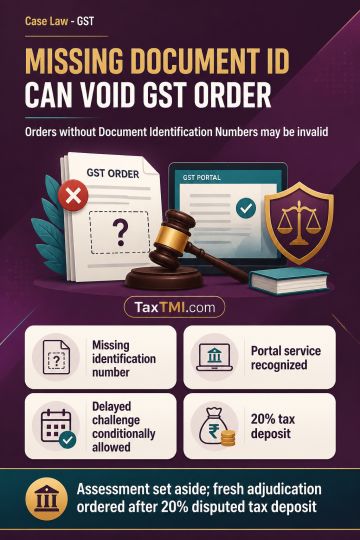
Document Identification Number defects can invalidate GST assessments, with delayed challenges entertained conditionally where patent irregularities e...
Windmill commissioning evidence supported higher depreciation where grid connection and electricity generation proved operational use before the relev...
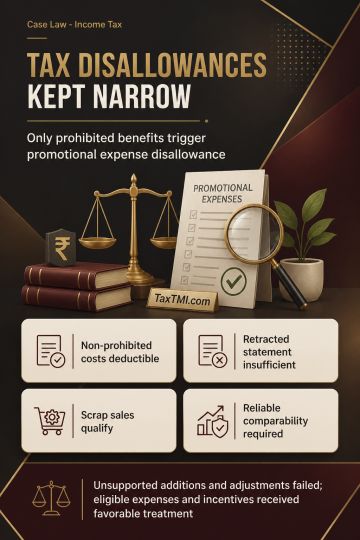
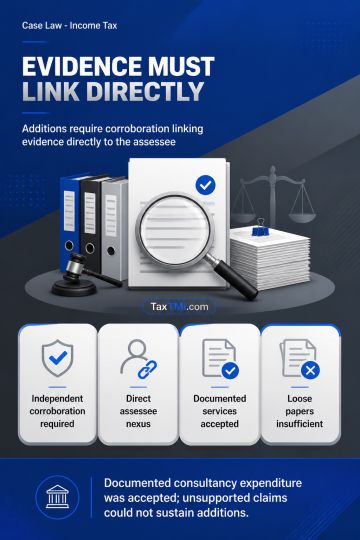
Pharmaceutical promotion and transfer-pricing comparability principles limited disallowances, while uncorroborated search allegations and unsupported ...
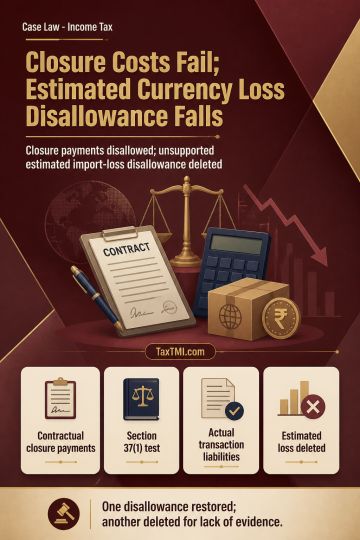
Business expenditure substantiation supports scrap credits, statutory payments and expense claims, while depreciation requires proof of actual busines...
Service tax demand based solely on Form 26AS was unsustainable because taxability had to be determined from the statute, relevant records and exemption materials, not inferred from third-party information. The Court held that the authorities failed to examine the plea that the receipts related to government works contracts covered by exemption and therefore did not establish any taxable liability under the Finance Act, 1994. It also held that the extended limitation period could be invoked only on the statutory grounds of fraud, suppression or intent to evade, none of which were properly found. The writ petition was maintainable despite an alternative appeal remedy because the impugned proceedings suffered from jurisdictional error and patent legal infirmity, and the demand, interest and penalty were quashed.
Service tax demand based solely on Form 26AS was unsustainable because taxability had to be determined from the statute, relevant records and exemption materials, not inferred from third-party information. The Court held that the authorities failed to examine the plea that the receipts related to government works contracts covered by exemption and therefore did not establish any taxable liability under the Finance Act, 1994. It also held that the extended limitation period could be invoked only on the statutory grounds of fraud, suppression or intent to evade, none of which were properly found. The writ petition was maintainable despite an alternative appeal remedy because the impugned proceedings suffered from jurisdictional error and patent legal infirmity, and the demand, interest and penalty were quashed.
Note: It is a system-generated summary and is for quick reference only.
 TaxTMI
  TaxTMI
 of 4817










 Join Channel