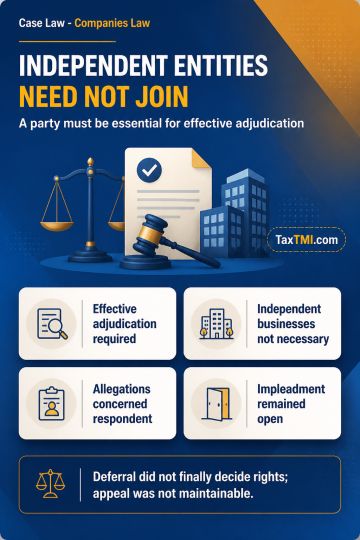
Necessary-party requirements limit impleadment of independent entities, while deferred consideration does not create an appealable adverse determinati...
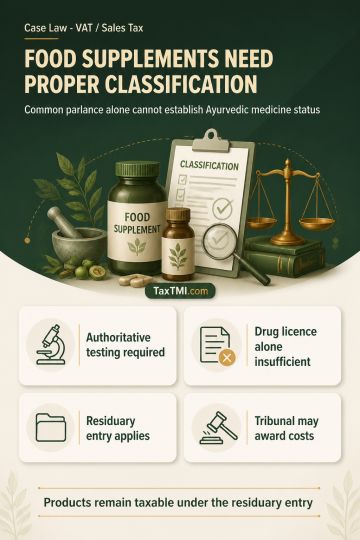
Food supplement classification requires common parlance and authoritative tests, preventing treatment as proprietary Ayurvedic medicines without suppo...
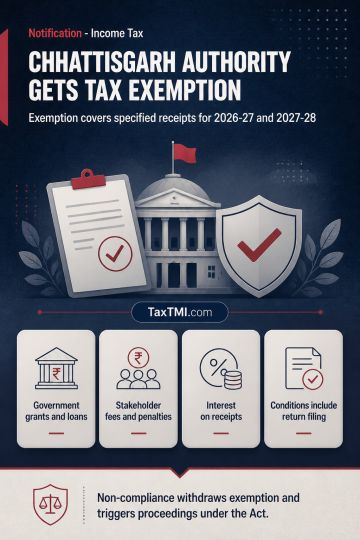
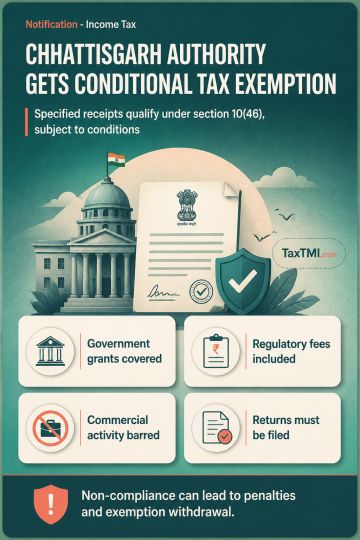
Specified regulatory authority income receives conditional tax exemption, subject to non-commercial activity, unchanged income character, and return f...
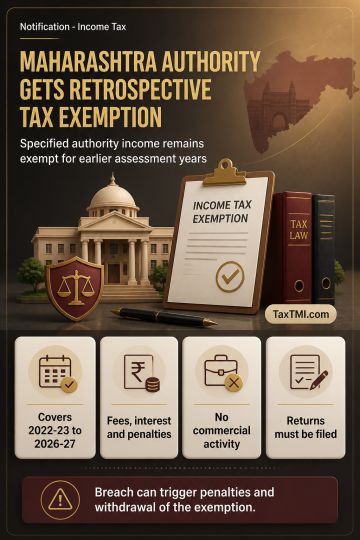
Tax exemption for regulatory authority income applies retrospectively, subject to non-commercial activity, unchanged income sources, and return-filing...
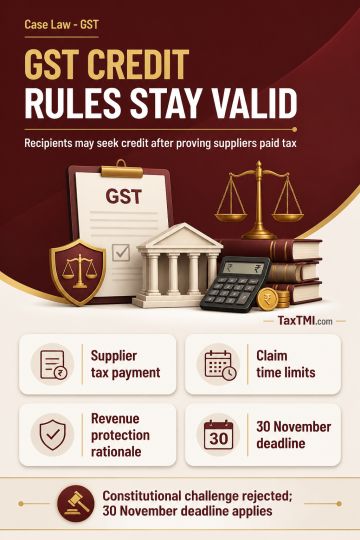
Input tax credit conditions remain constitutionally valid, with eligible recipient claims considered under GST circulars and retrospective filing dead...
Service tax demand based solely on Form 26AS was unsustainable because taxability had to be determined from the statute, relevant records and exemption materials, not inferred from third-party information. The Court held that the authorities failed to examine the plea that the receipts related to government works contracts covered by exemption and therefore did not establish any taxable liability under the Finance Act, 1994. It also held that the extended limitation period could be invoked only on the statutory grounds of fraud, suppression or intent to evade, none of which were properly found. The writ petition was maintainable despite an alternative appeal remedy because the impugned proceedings suffered from jurisdictional error and patent legal infirmity, and the demand, interest and penalty were quashed.
Service tax demand based solely on Form 26AS was unsustainable because taxability had to be determined from the statute, relevant records and exemption materials, not inferred from third-party information. The Court held that the authorities failed to examine the plea that the receipts related to government works contracts covered by exemption and therefore did not establish any taxable liability under the Finance Act, 1994. It also held that the extended limitation period could be invoked only on the statutory grounds of fraud, suppression or intent to evade, none of which were properly found. The writ petition was maintainable despite an alternative appeal remedy because the impugned proceedings suffered from jurisdictional error and patent legal infirmity, and the demand, interest and penalty were quashed.
Note: It is a system-generated summary and is for quick reference only.
 TaxTMI
  TaxTMI
 of 4817





 Join Channel