Section 80P deduction covers Souharda credit societies, including qualifying surplus-deposit interest, subject to member KYC verification for cash dep...
Transfer-pricing benchmarking and capital-receipt principles sustained taxpayer relief, while unsupported property-advance write-offs remained disallo...
Pre-existing operational debt disputes require genuine evidence, while undirected running-account payments may be appropriated on a first-in-first-out...
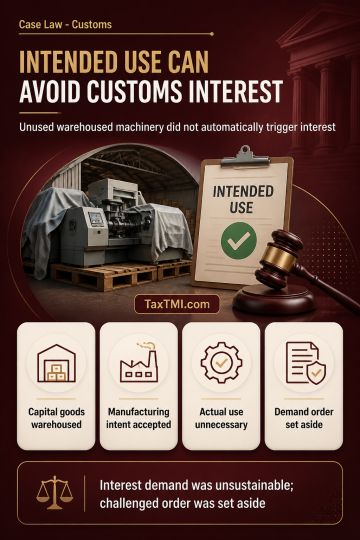
Agency in CNG distribution makes outlet operators commission agents, rendering taxable Business Auxiliary Service rather than purchasing goods for res...
Section 251(1) enhancement power was confined to matters or sources of income considered by the Assessing Officer; the CIT(A) could not introduce a fresh issue by reducing work-in-progress on a point never examined in assessment, so the enhancement was invalid and reversed. Receipts under the joint development arrangement were treated as security deposits and business receipts, not loans or advances, and deemed dividend under section 2(22)(e) could be taxed only in the hands of a shareholder; as the assessee was neither a registered nor beneficial shareholder, the addition was deleted. For the joint development agreement, the asset was stock-in-trade and income had to be measured by the consideration actually receivable under the arrangement, not by stamp duty value of the entire land parcel, so the protective addition for alleged extra consideration was affirmed as deleted.
Section 251(1) enhancement power was confined to matters or sources of income considered by the Assessing Officer; the CIT(A) could not introduce a fresh issue by reducing work-in-progress on a point never examined in assessment, so the enhancement was invalid and reversed. Receipts under the joint development arrangement were treated as security deposits and business receipts, not loans or advances, and deemed dividend under section 2(22)(e) could be taxed only in the hands of a shareholder; as the assessee was neither a registered nor beneficial shareholder, the addition was deleted. For the joint development agreement, the asset was stock-in-trade and income had to be measured by the consideration actually receivable under the arrangement, not by stamp duty value of the entire land parcel, so the protective addition for alleged extra consideration was affirmed as deleted.
Note: It is a system-generated summary and is for quick reference only.
 TaxTMI
  TaxTMI
 of 4817


















 Join Channel


