Transaction value cannot be rejected solely on non-statutory valuation guidelines without corroborative evidence supporting reassessment of final cust...
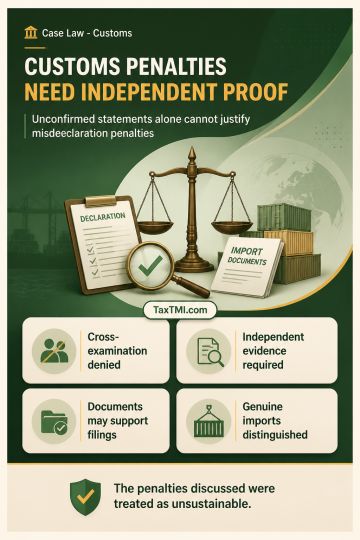
Cross-examination rights and corroborated evidence limit customs penalties for misdeclaration in genuine import transactions involving documented clea...
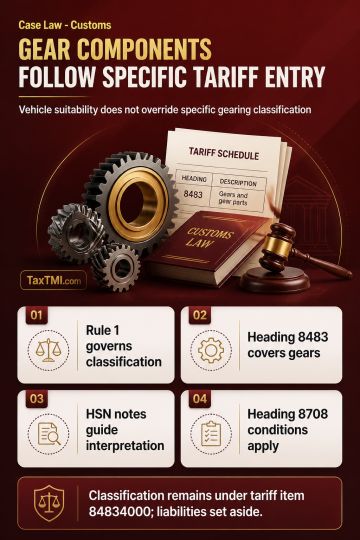
Tariff classification of vehicle gear components follows the specific gearing entry, displacing motor-vehicle parts classification and related liabili...
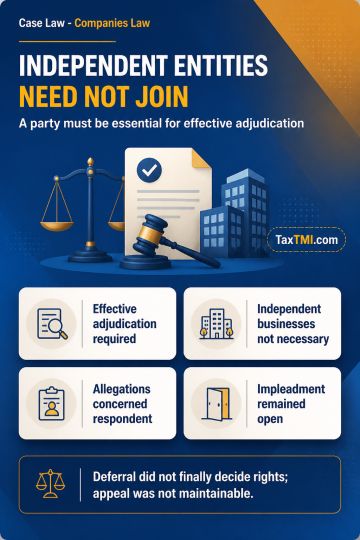
Necessary-party requirements limit impleadment of independent entities, while deferred consideration does not create an appealable adverse determinati...
Section 251(1) enhancement power was confined to matters or sources of income considered by the Assessing Officer; the CIT(A) could not introduce a fresh issue by reducing work-in-progress on a point never examined in assessment, so the enhancement was invalid and reversed. Receipts under the joint development arrangement were treated as security deposits and business receipts, not loans or advances, and deemed dividend under section 2(22)(e) could be taxed only in the hands of a shareholder; as the assessee was neither a registered nor beneficial shareholder, the addition was deleted. For the joint development agreement, the asset was stock-in-trade and income had to be measured by the consideration actually receivable under the arrangement, not by stamp duty value of the entire land parcel, so the protective addition for alleged extra consideration was affirmed as deleted.
Section 251(1) enhancement power was confined to matters or sources of income considered by the Assessing Officer; the CIT(A) could not introduce a fresh issue by reducing work-in-progress on a point never examined in assessment, so the enhancement was invalid and reversed. Receipts under the joint development arrangement were treated as security deposits and business receipts, not loans or advances, and deemed dividend under section 2(22)(e) could be taxed only in the hands of a shareholder; as the assessee was neither a registered nor beneficial shareholder, the addition was deleted. For the joint development agreement, the asset was stock-in-trade and income had to be measured by the consideration actually receivable under the arrangement, not by stamp duty value of the entire land parcel, so the protective addition for alleged extra consideration was affirmed as deleted.
Note: It is a system-generated summary and is for quick reference only.
 TaxTMI
  TaxTMI
 of 4819

















 Join Channel


