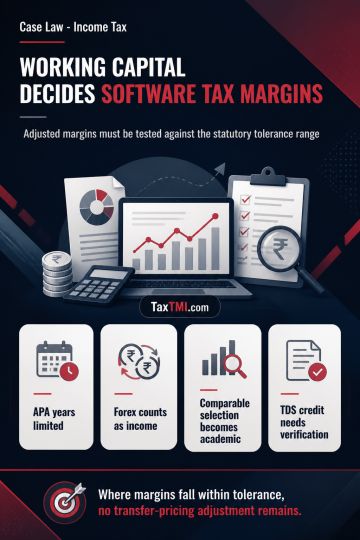
Working-capital adjustment determines whether software-services transfer-pricing margins fall within the statutory tolerance range, eliminating any ad...
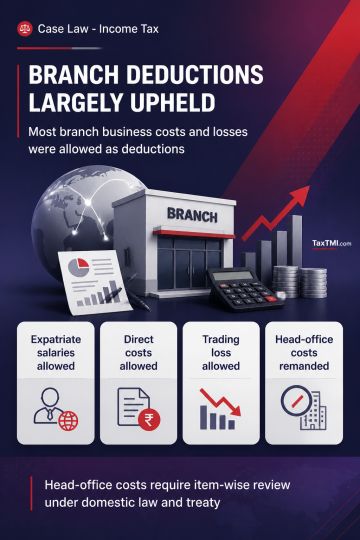
Permanent establishment deductions upheld for expatriate salaries, direct costs and trading losses, while head-office costs require fresh classificati...
Data transmission equipment classification under CTSH 8517 62 remains distinct from residual classification, with exemption evidence requiring scrutin...
A foreign judgment is conclusive in India only if rendered after due judicial process, with a reasonable opportunity to defend and genuine consideration of substantive defences. The English decree failed this test because the respondent raised bona fide triable issues supported by contemporaneous documents, yet was denied leave to defend in summary proceedings; it was therefore not a judgment on merits and offended natural justice under Section 13 CPC, making it unenforceable under Section 44A read with Section 13 CPC. The Court further clarified that FERA does not bar adjudication of liability, but enforcement of a decree remains subject to prior regulatory permission under Section 47(3)(b).
A foreign judgment is conclusive in India only if rendered after due judicial process, with a reasonable opportunity to defend and genuine consideration of substantive defences. The English decree failed this test because the respondent raised bona fide triable issues supported by contemporaneous documents, yet was denied leave to defend in summary proceedings; it was therefore not a judgment on merits and offended natural justice under Section 13 CPC, making it unenforceable under Section 44A read with Section 13 CPC. The Court further clarified that FERA does not bar adjudication of liability, but enforcement of a decree remains subject to prior regulatory permission under Section 47(3)(b).
Note: It is a system-generated summary and is for quick reference only.
 TaxTMI
  TaxTMI
 of 4816













 Join Channel