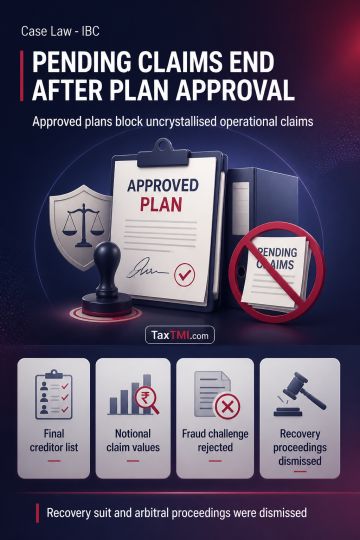
Clean slate principle extinguishes uncrystallised operational claims and bars continuation of pending recovery and arbitral proceedings after plan app...
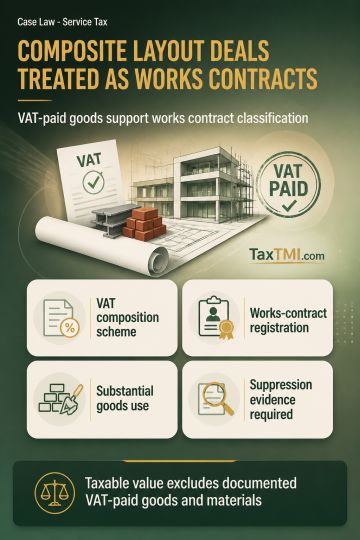
Works contract classification governs composite layout-development contracts where VAT-paid goods are transferred alongside construction and infrastru...
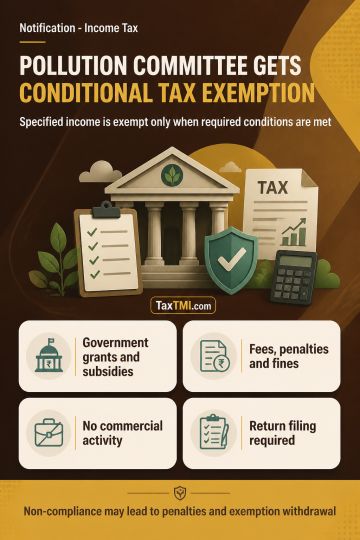
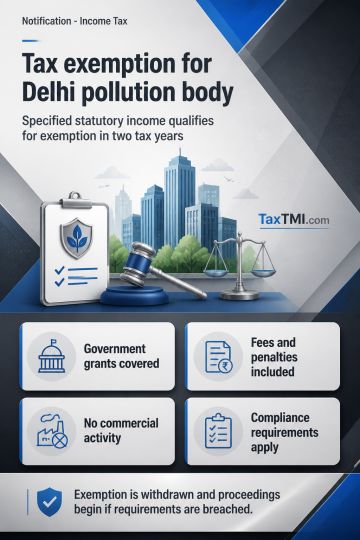
Specified income tax exemption for pollution control body remains conditional on non-commercial activity, unchanged income character, and return filin...
Statements recorded under section 14 of the Central Excise Act could not support the demand because the adjudicating authority did not comply with section 9D: it relied on employee and director statements without first examining the makers and recording a proper opinion before admitting them in evidence, so the statements were not relevant to prove the alleged facts and the CENVAT credit demand failed. The extended period of limitation was also unavailable because the disputed transactions were already reflected in the assessee's balance sheets and ER-1 returns, and the department did not establish wilful suppression or intent to evade duty. The Tribunal therefore held the demand time-barred to that extent and set aside the order.
Statements recorded under section 14 of the Central Excise Act could not support the demand because the adjudicating authority did not comply with section 9D: it relied on employee and director statements without first examining the makers and recording a proper opinion before admitting them in evidence, so the statements were not relevant to prove the alleged facts and the CENVAT credit demand failed. The extended period of limitation was also unavailable because the disputed transactions were already reflected in the assessee's balance sheets and ER-1 returns, and the department did not establish wilful suppression or intent to evade duty. The Tribunal therefore held the demand time-barred to that extent and set aside the order.
Note: It is a system-generated summary and is for quick reference only.
 TaxTMI
  TaxTMI
 of 4814





 Join Channel