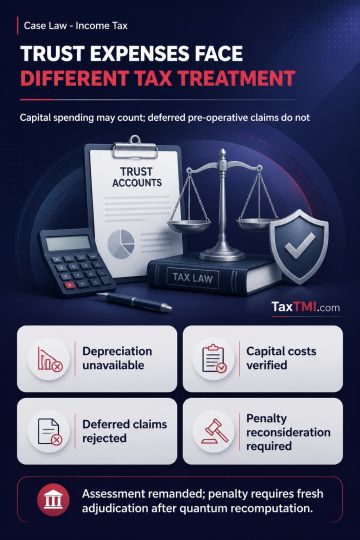
Charitable trust income application permits verified capital expenditure but rejects deferred pre-operative claims and requires reconsideration of con...
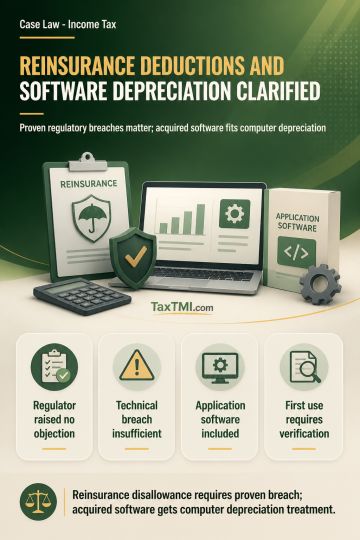
Reinsurance premium deductions require established regulatory breaches, while independently acquired software qualifies within the computer depreciati...
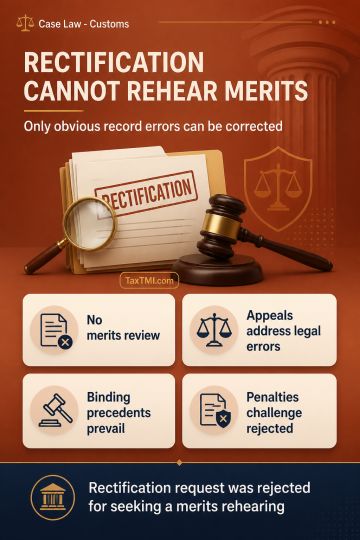
Rectification of mistake remains limited to self-evident record errors, preventing merits review through miscellaneous applications and preserving fin...
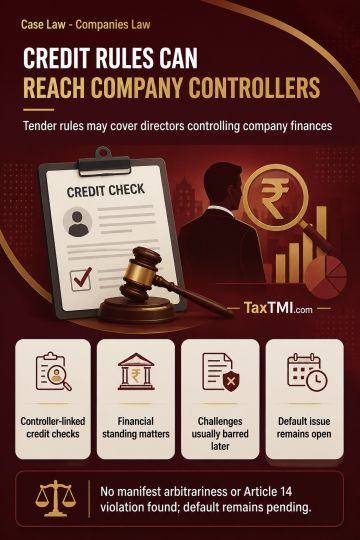
Tender creditworthiness conditions may extend to de facto Promoter Directors, with post-participation challenges generally barred absent arbitrariness...
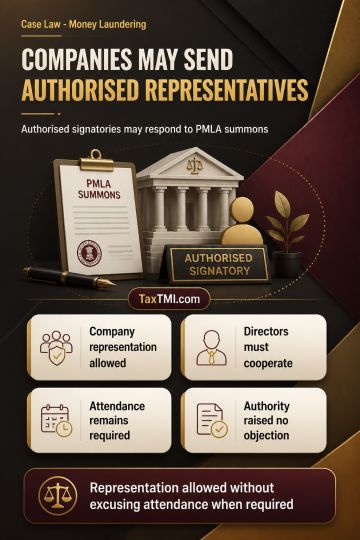
Corporate representation in PMLA summons proceedings permitted through an authorised signatory, subject to directors' continuing cooperation and atten...
Page of 4816
Press 'Enter' after typing page number.
1161 to 1180 of 96301 Results
❮
❯
❯❯
0 / 200
Expand Note
Add to Folder
No Folders have been created
+
Are you sure you want to delete "My most important" ?
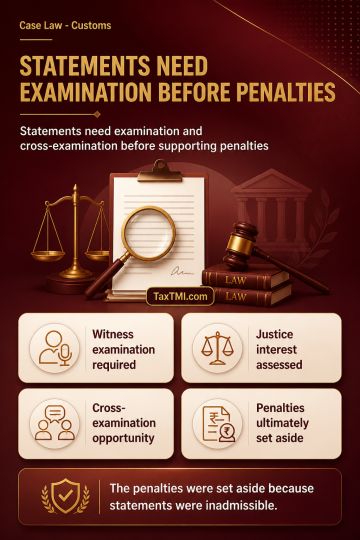
Statements recorded under section 14 of the Central Excise Act could not support the demand because the adjudicating authority did not comply with section 9D: it relied on employee and director statements without first examining the makers and recording a proper opinion before admitting them in evidence, so the statements were not relevant to prove the alleged facts and the CENVAT credit demand failed. The extended period of limitation was also unavailable because the disputed transactions were already reflected in the assessee's balance sheets and ER-1 returns, and the department did not establish wilful suppression or intent to evade duty. The Tribunal therefore held the demand time-barred to that extent and set aside the order.
Statements recorded under section 14 of the Central Excise Act could not support the demand because the adjudicating authority did not comply with section 9D: it relied on employee and director statements without first examining the makers and recording a proper opinion before admitting them in evidence, so the statements were not relevant to prove the alleged facts and the CENVAT credit demand failed. The extended period of limitation was also unavailable because the disputed transactions were already reflected in the assessee's balance sheets and ER-1 returns, and the department did not establish wilful suppression or intent to evade duty. The Tribunal therefore held the demand time-barred to that extent and set aside the order.
Note: It is a system-generated summary and is for quick reference only.
 TaxTMI
  TaxTMI
 of 4816







 Join Channel


