Country of Origin Certificates and declared transaction value supported preferential customs exemption where authenticity and invoice prices remained ...
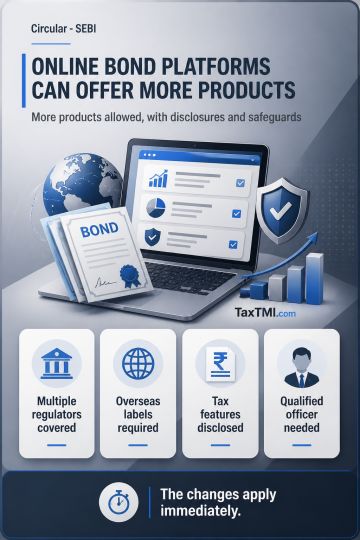
Online bond platforms may offer overseas-regulated products and tax-specific bonds subject to disclosures, compliance safeguards and revised complianc...
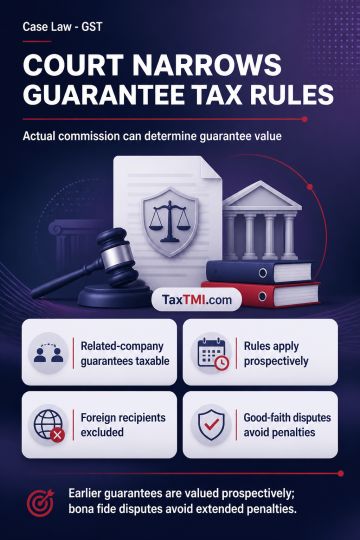
Corporate guarantee valuation permits actual ascertainable commission while barring retroactive application and extended-period penalties for bona fid...
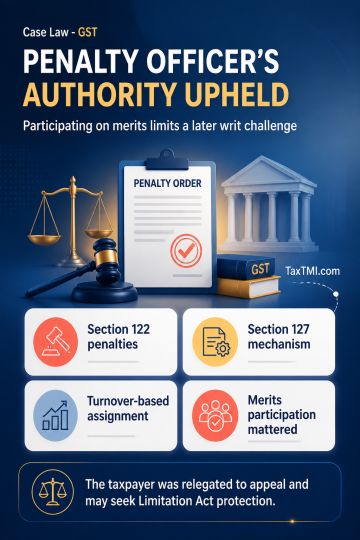
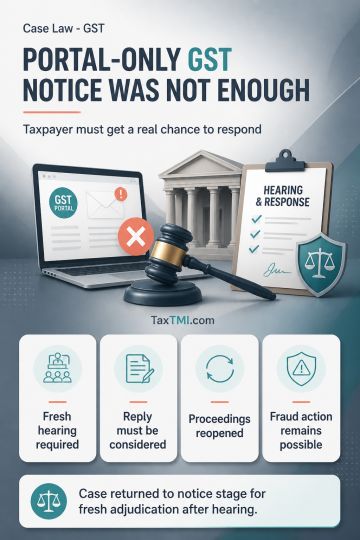
Proper-officer jurisdiction under UPGST penalty provisions upheld; participation on merits prevents bypassing the statutory appellate remedy through w...
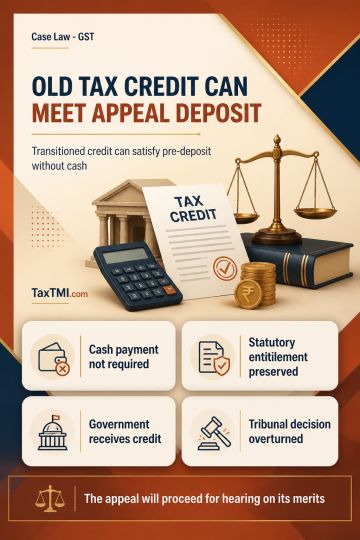
Transitioned CENVAT credit may validly satisfy mandatory pre-deposit requirements for legacy service tax appeals through Electronic Credit Ledger debi...
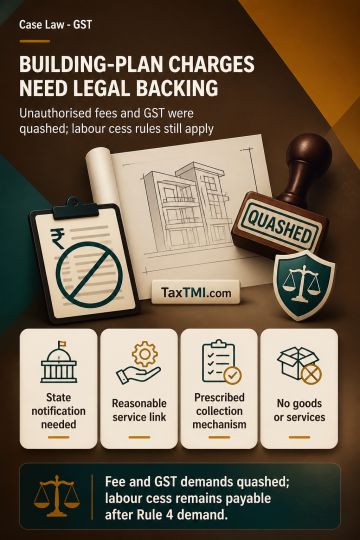
Building-plan sanction charges require statutory authority; unauthorised fees and GST were quashed, while labour cess must follow prescribed collectio...
Statements recorded under section 14 of the Central Excise Act could not support the demand because the adjudicating authority did not comply with section 9D: it relied on employee and director statements without first examining the makers and recording a proper opinion before admitting them in evidence, so the statements were not relevant to prove the alleged facts and the CENVAT credit demand failed. The extended period of limitation was also unavailable because the disputed transactions were already reflected in the assessee's balance sheets and ER-1 returns, and the department did not establish wilful suppression or intent to evade duty. The Tribunal therefore held the demand time-barred to that extent and set aside the order.
Statements recorded under section 14 of the Central Excise Act could not support the demand because the adjudicating authority did not comply with section 9D: it relied on employee and director statements without first examining the makers and recording a proper opinion before admitting them in evidence, so the statements were not relevant to prove the alleged facts and the CENVAT credit demand failed. The extended period of limitation was also unavailable because the disputed transactions were already reflected in the assessee's balance sheets and ER-1 returns, and the department did not establish wilful suppression or intent to evade duty. The Tribunal therefore held the demand time-barred to that extent and set aside the order.
Note: It is a system-generated summary and is for quick reference only.
 TaxTMI
  TaxTMI
 of 4819







 Join Channel