Clean slate principle extinguishes uncrystallised operational claims and bars continuation of pending recovery and arbitral proceedings after plan app...
Works contract classification governs composite layout-development contracts where VAT-paid goods are transferred alongside construction and infrastru...
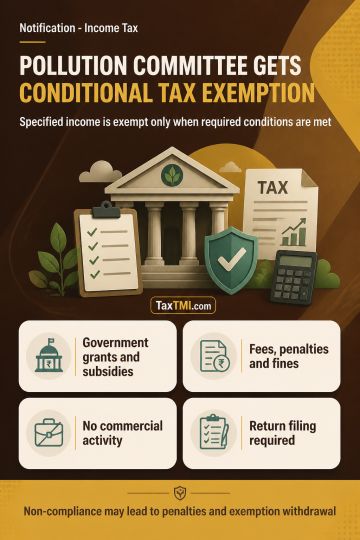
Specified income tax exemption for pollution control body remains conditional on non-commercial activity, unchanged income character, and return filin...
The High Court held that the limitation provision applicable to refund claims is the one in force on the date of the underlying transaction, so the amended Explanation 2(e) to Section 54 of the CGST Act could not retrospectively curtail refund rights for periods before 1 February 2019. It further held that refund of unutilised input tax credit on zero-rated supplies is governed by Explanation 2(e), not Explanation 2(a), because such claims depend on credit accrual, ledger reflection, return filing and remaining unutilised. The orders rejecting the claims as time-barred were set aside and the refund applications were directed to be processed on merits.
The High Court held that the limitation provision applicable to refund claims is the one in force on the date of the underlying transaction, so the amended Explanation 2(e) to Section 54 of the CGST Act could not retrospectively curtail refund rights for periods before 1 February 2019. It further held that refund of unutilised input tax credit on zero-rated supplies is governed by Explanation 2(e), not Explanation 2(a), because such claims depend on credit accrual, ledger reflection, return filing and remaining unutilised. The orders rejecting the claims as time-barred were set aside and the refund applications were directed to be processed on merits.
Note: It is a system-generated summary and is for quick reference only.
 TaxTMI
  TaxTMI
 of 4819
















 Join Channel


