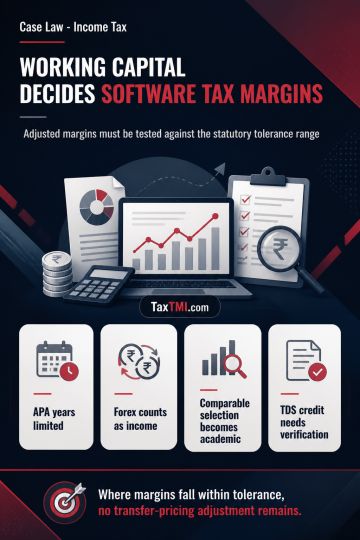
Working-capital adjustment determines whether software-services transfer-pricing margins fall within the statutory tolerance range, eliminating any ad...
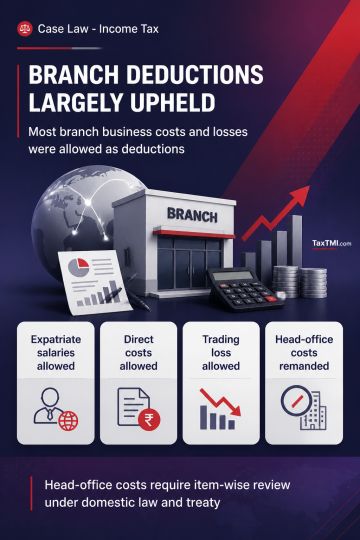
Permanent establishment deductions upheld for expatriate salaries, direct costs and trading losses, while head-office costs require fresh classificati...
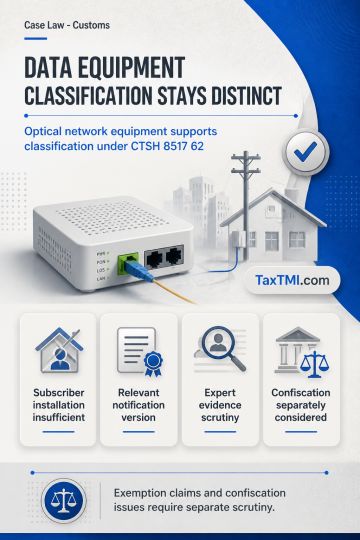
Data transmission equipment classification under CTSH 8517 62 remains distinct from residual classification, with exemption evidence requiring scrutin...
The High Court held that the limitation provision applicable to refund claims is the one in force on the date of the underlying transaction, so the amended Explanation 2(e) to Section 54 of the CGST Act could not retrospectively curtail refund rights for periods before 1 February 2019. It further held that refund of unutilised input tax credit on zero-rated supplies is governed by Explanation 2(e), not Explanation 2(a), because such claims depend on credit accrual, ledger reflection, return filing and remaining unutilised. The orders rejecting the claims as time-barred were set aside and the refund applications were directed to be processed on merits.
The High Court held that the limitation provision applicable to refund claims is the one in force on the date of the underlying transaction, so the amended Explanation 2(e) to Section 54 of the CGST Act could not retrospectively curtail refund rights for periods before 1 February 2019. It further held that refund of unutilised input tax credit on zero-rated supplies is governed by Explanation 2(e), not Explanation 2(a), because such claims depend on credit accrual, ledger reflection, return filing and remaining unutilised. The orders rejecting the claims as time-barred were set aside and the refund applications were directed to be processed on merits.
Note: It is a system-generated summary and is for quick reference only.
 TaxTMI
  TaxTMI
 of 4819










 Join Channel