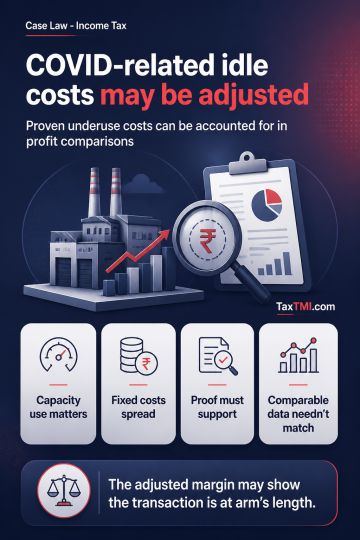
Capacity-utilisation adjustments under TNMM can neutralise substantiated COVID-related idle costs where underutilisation materially affects profitabil...
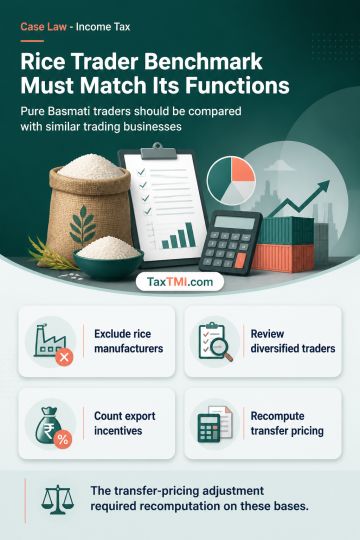
TNMM functional comparability requires excluding rice manufacturers from a pure Basmati rice trader's benchmark and recognising operating export recei...
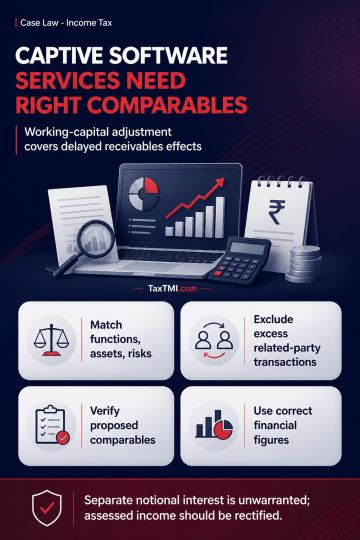
Working-capital adjustment subsumes delayed-receivable effects in TNMM benchmarking of captive software-development services, avoiding separate notion...
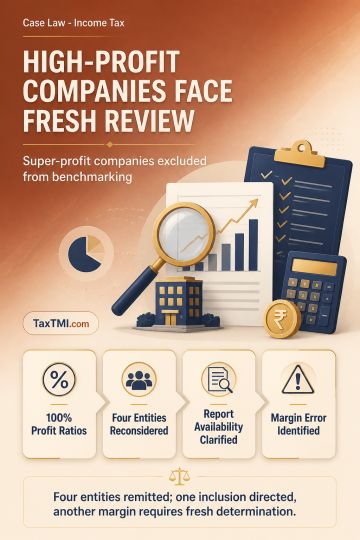
Transfer-pricing comparability requires exclusion of financially illogical super-profit comparables and correction of unsupported annual-report and ma...
Charitable character assessment preserves Section 80G approval despite inclusive spiritual teachings and incidental religious expenditure within the s...
Penalty proceedings for cash-loan acceptance require assessment proceedings and recorded Assessing Officer satisfaction; absent these, the proceedings...
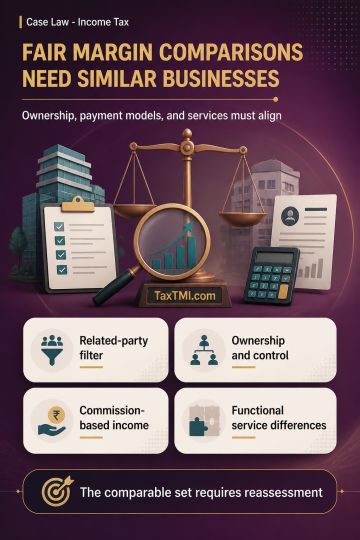
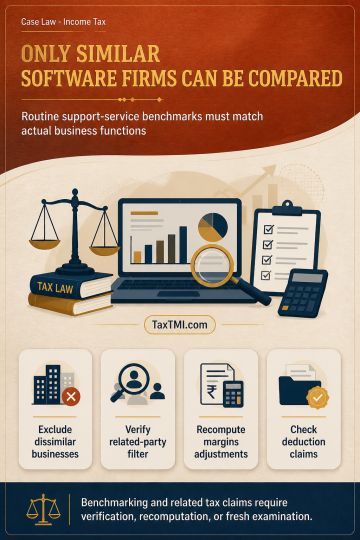
Functional comparability governs software-service benchmarking: dissimilar companies are excluded, while related-party filters, margins and working-ca...
An advance ruling under the GST law is binding on the applicant, but that binding effect does not bar High Court review under Article 226 on limited grounds such as jurisdictional error, error of law, breach of natural justice or perversity; such challenges to advance rulings should be listed before the Division Bench, not a Single Judge. On classification, the Court held that retaining the impugned view on cut tobacco would create unequal tax treatment for similarly placed manufacturers producing the same product, contrary to the equality principle. The advance rulings and the challenged order were set aside, and the writ appeal was allowed.
An advance ruling under the GST law is binding on the applicant, but that binding effect does not bar High Court review under Article 226 on limited grounds such as jurisdictional error, error of law, breach of natural justice or perversity; such challenges to advance rulings should be listed before the Division Bench, not a Single Judge. On classification, the Court held that retaining the impugned view on cut tobacco would create unequal tax treatment for similarly placed manufacturers producing the same product, contrary to the equality principle. The advance rulings and the challenged order were set aside, and the writ appeal was allowed.
Note: It is a system-generated summary and is for quick reference only.
 TaxTMI
  TaxTMI
 of 4826








 Join Channel


