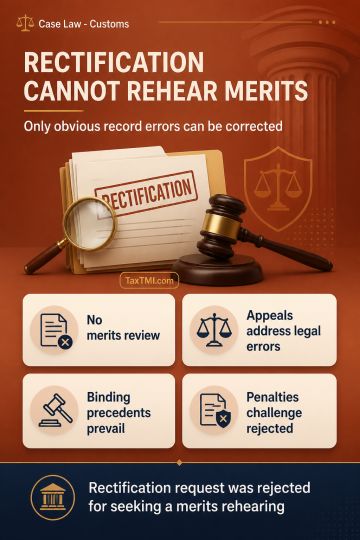
Rectification of mistake remains limited to self-evident record errors, preventing merits review through miscellaneous applications and preserving fin...
Tender creditworthiness conditions may extend to de facto Promoter Directors, with post-participation challenges generally barred absent arbitrariness...
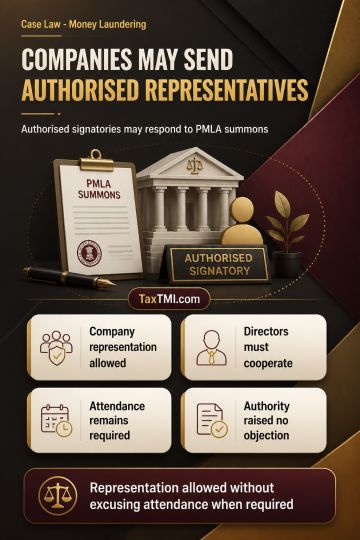
Corporate representation in PMLA summons proceedings permitted through an authorised signatory, subject to directors' continuing cooperation and atten...
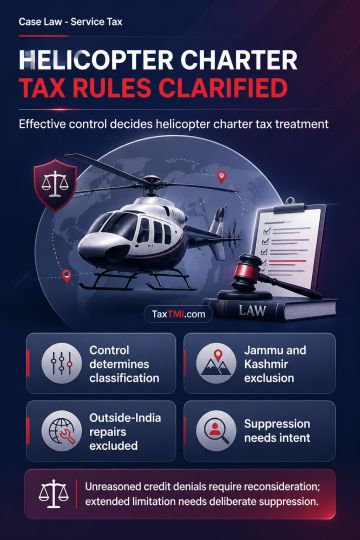
Helicopter charter classification requires effective control analysis, while territorial performance, reasoned credit orders and wilful suppression de...
Specified fund definition expands PAN exemption eligibility for registered alternative investment funds and qualifying International Financial Service...
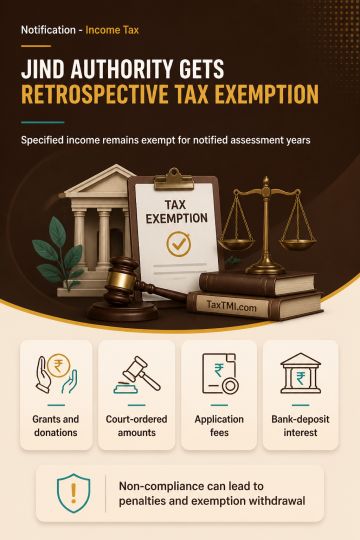
Tax exemption for specified legal-services authority income applies retrospectively, subject to non-commercial activity, unchanged income sources, and...
Page of 4817
Press 'Enter' after typing page number.
1201 to 1220 of 96333 Results
❮
❯
❯❯
0 / 200
Expand Note
Add to Folder
No Folders have been created
+
Are you sure you want to delete "My most important" ?
Blocking of an electronic credit ledger under Rule 86A cannot continue beyond one year from the date of imposition, because the restriction ceases by operation of law on expiry of that statutory period. The Court held that continuation of the blockage after one year was arbitrary and illegal, and directed the ledger to be unblocked. It also held that blocking input tax credit in the electronic credit ledger carries serious civil consequences and ordinarily requires a pre-decisional hearing; in the absence of exceptional reasons, failure to grant such hearing violates natural justice. The impugned blocking was therefore unsustainable, though the department was left free to take proceedings permissible in law.
Blocking of an electronic credit ledger under Rule 86A cannot continue beyond one year from the date of imposition, because the restriction ceases by operation of law on expiry of that statutory period. The Court held that continuation of the blockage after one year was arbitrary and illegal, and directed the ledger to be unblocked. It also held that blocking input tax credit in the electronic credit ledger carries serious civil consequences and ordinarily requires a pre-decisional hearing; in the absence of exceptional reasons, failure to grant such hearing violates natural justice. The impugned blocking was therefore unsustainable, though the department was left free to take proceedings permissible in law.
Note: It is a system-generated summary and is for quick reference only.
 TaxTMI
  TaxTMI
 of 4817











 Join Channel