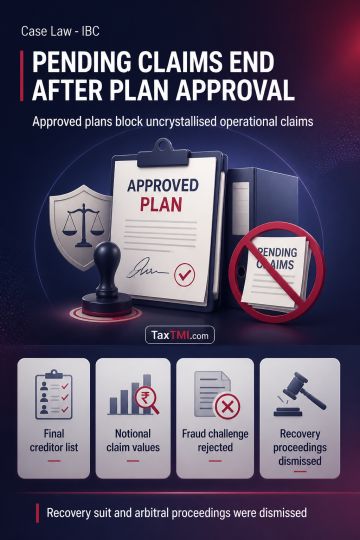
Clean slate principle extinguishes uncrystallised operational claims and bars continuation of pending recovery and arbitral proceedings after plan app...
Works contract classification governs composite layout-development contracts where VAT-paid goods are transferred alongside construction and infrastru...
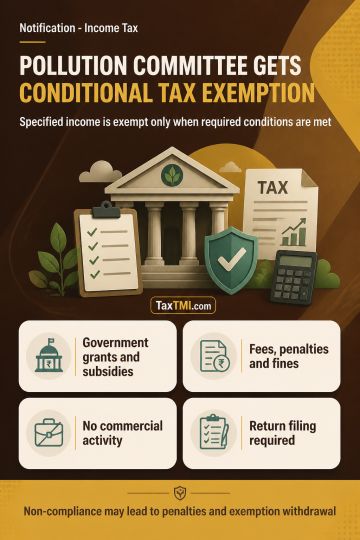
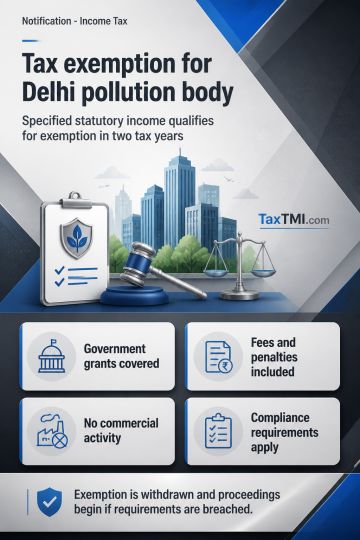
Specified income tax exemption for pollution control body remains conditional on non-commercial activity, unchanged income character, and return filin...
Jurisdictional facts in certificate-of-origin discrepancies can support customs show-cause proceedings, leaving factual explanations for departmental ...
Where liability to incur construction expenditure had already accrued under the business transaction, the Court applied the mercantile system and the Calcutta Company principle to allow deduction of the estimated expense on accrual basis; the concurrent finding permitting the construction deduction was upheld. In the sale-and-lease-back arrangement involving cinematographic rights, title had passed to the assessee and the vendor thereafter remained only as lessee; mere tax-saving motive, unsupported by material, did not make the transaction a colourable device. Depreciation on the films was therefore allowed, and the Revenue failed on both issues.
Where liability to incur construction expenditure had already accrued under the business transaction, the Court applied the mercantile system and the Calcutta Company principle to allow deduction of the estimated expense on accrual basis; the concurrent finding permitting the construction deduction was upheld. In the sale-and-lease-back arrangement involving cinematographic rights, title had passed to the assessee and the vendor thereafter remained only as lessee; mere tax-saving motive, unsupported by material, did not make the transaction a colourable device. Depreciation on the films was therefore allowed, and the Revenue failed on both issues.
Note: It is a system-generated summary and is for quick reference only.
 TaxTMI
  TaxTMI
 of 4817











 Join Channel