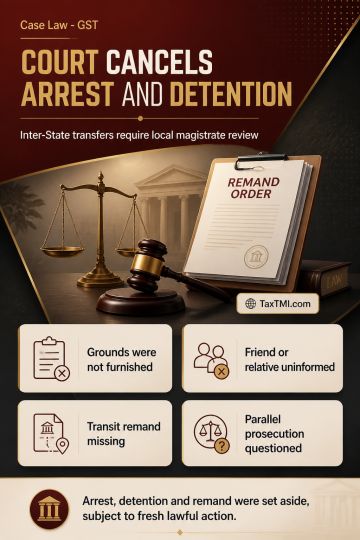
Arrest safeguards and transit remand requirements invalidated detention following inter-State transfer without communicated grounds or magistrate auth...
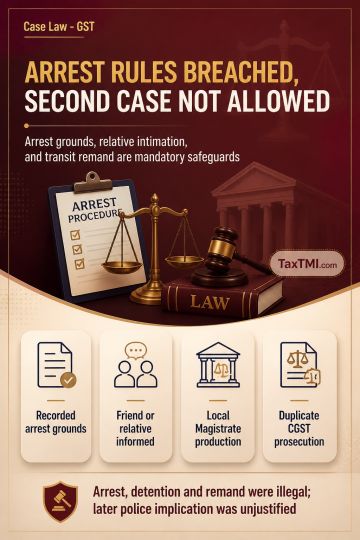
Arrest safeguards require disclosed grounds, relative intimation and transit remand, while duplicate prosecution under the CGST framework is unsustain...
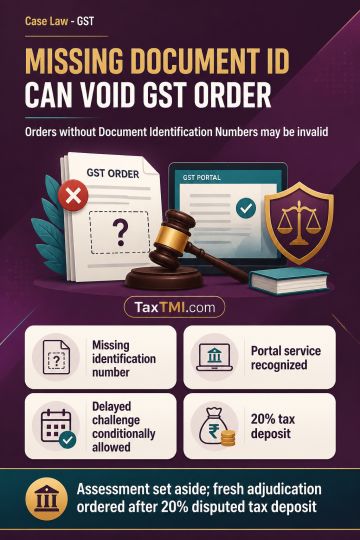
Document Identification Number defects can invalidate GST assessments, with delayed challenges entertained conditionally where patent irregularities e...
Windmill commissioning evidence supported higher depreciation where grid connection and electricity generation proved operational use before the relev...
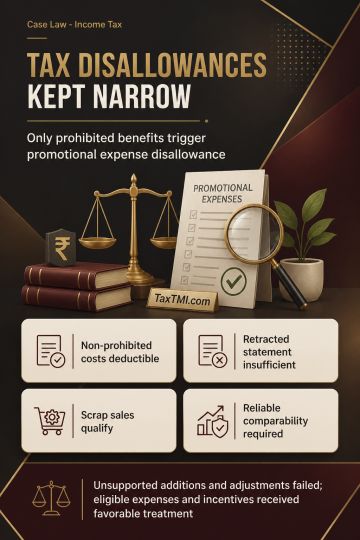
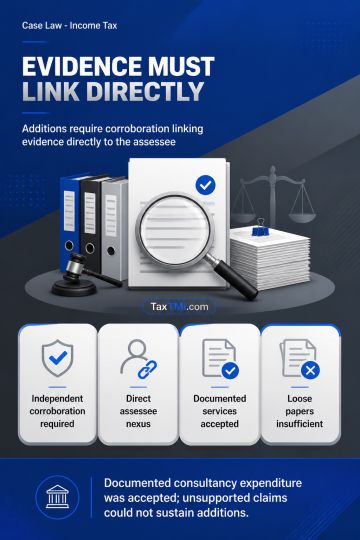
Pharmaceutical promotion and transfer-pricing comparability principles limited disallowances, while uncorroborated search allegations and unsupported ...
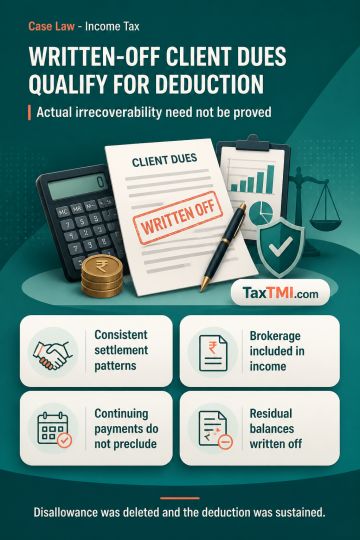
Business expenditure substantiation supports scrap credits, statutory payments and expense claims, while depreciation requires proof of actual busines...
A composite property used partly for residence and partly for commercial activity was treated as eligible for section 54 relief to the extent of the residential portion. The Tribunal held that the residential component could not be ignored merely because the sale agreement described the property as commercial, and directed apportionment of sale consideration relating to the residential floors before granting exemption. On the addition under section 56(2)(vii), it held that where the assessee disputed the stamp valuation, the Assessing Officer should have referred the matter to the DVO instead of directly taxing the difference. The valuation issue was remitted for fresh decision.
A composite property used partly for residence and partly for commercial activity was treated as eligible for section 54 relief to the extent of the residential portion. The Tribunal held that the residential component could not be ignored merely because the sale agreement described the property as commercial, and directed apportionment of sale consideration relating to the residential floors before granting exemption. On the addition under section 56(2)(vii), it held that where the assessee disputed the stamp valuation, the Assessing Officer should have referred the matter to the DVO instead of directly taxing the difference. The valuation issue was remitted for fresh decision.
Note: It is a system-generated summary and is for quick reference only.
 TaxTMI
  TaxTMI
 of 4817












 Join Channel