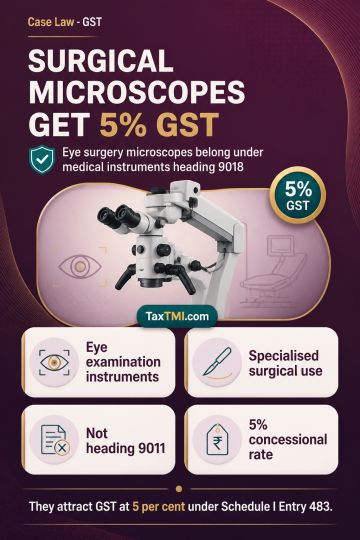
Transaction value rejection requires reliable corroboration; refundable VAT is excluded and temporary registration does not defeat new-vehicle exempti...
Appellate jurisdiction remains available where a wrist-worn gold ornament cannot conclusively be characterised as imported baggage at the preliminary ...
Written complaint requirement bars cognizance on police reports for securities offences, while unsupported breach of trust and cheating allegations fa...
Risk-based postal import clearance standardises electronic assessment, document requests, duty realisation and delivery controls at Foreign Post Offic...
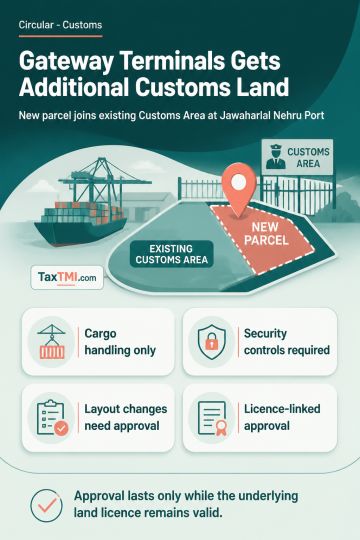
Customs Cargo Service Provider appointment extends custodianship to additional terminal land, subject to cargo-control, security and licence condition...
Transfer pricing comparability adjustments were examined on foreign exchange fluctuation, customs duty, price penetration, liability write-back, and capacity utilisation. Consistent treatment of foreign exchange movement as non-operating in earlier and later years led to remand for fresh consideration. Customs duty and price penetration adjustment claims were also remitted because the factual basis and supporting details were not adequately examined. Liability write-back was treated as operating income where the underlying trade payables related to operating expenses, while other breakup items required verification. For capacity utilisation, the Tribunal rejected a depreciation-to-sales adjustment method as not reasonably accurate, but directed recomputation of ALP using cash PLI for the assessee and comparables.
Transfer pricing comparability adjustments were examined on foreign exchange fluctuation, customs duty, price penetration, liability write-back, and capacity utilisation. Consistent treatment of foreign exchange movement as non-operating in earlier and later years led to remand for fresh consideration. Customs duty and price penetration adjustment claims were also remitted because the factual basis and supporting details were not adequately examined. Liability write-back was treated as operating income where the underlying trade payables related to operating expenses, while other breakup items required verification. For capacity utilisation, the Tribunal rejected a depreciation-to-sales adjustment method as not reasonably accurate, but directed recomputation of ALP using cash PLI for the assessee and comparables.
Note: It is a system-generated summary and is for quick reference only.
 TaxTMI
  TaxTMI
 of 4821









 Join Channel