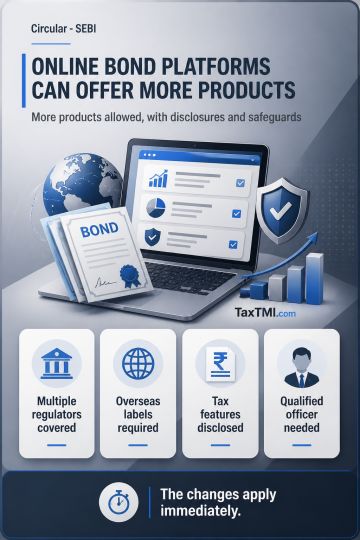
Online bond platforms may offer overseas-regulated products and tax-specific bonds subject to disclosures, compliance safeguards and revised complianc...
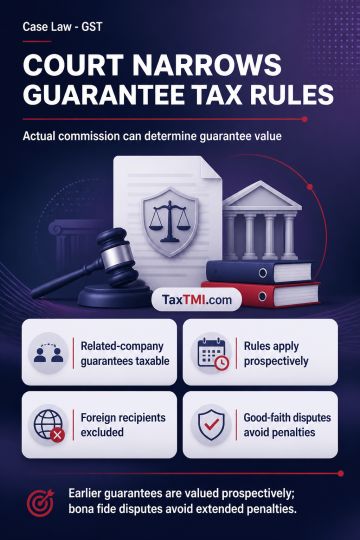
Corporate guarantee valuation permits actual ascertainable commission while barring retroactive application and extended-period penalties for bona fid...
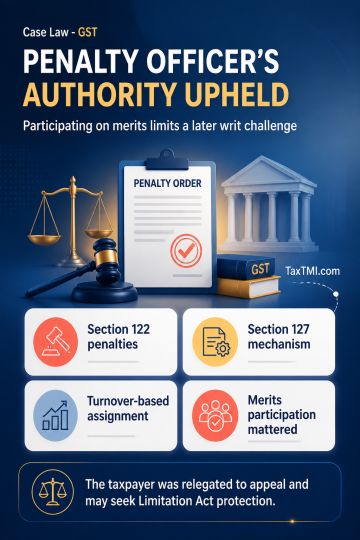
Proper-officer jurisdiction under UPGST penalty provisions upheld; participation on merits prevents bypassing the statutory appellate remedy through w...
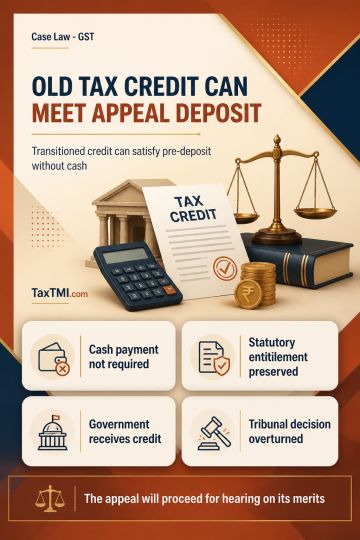
Transitioned CENVAT credit may validly satisfy mandatory pre-deposit requirements for legacy service tax appeals through Electronic Credit Ledger debi...
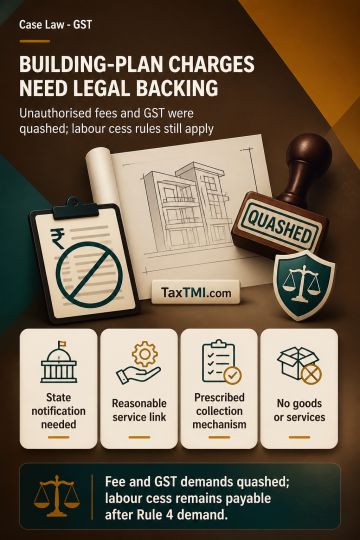
Building-plan sanction charges require statutory authority; unauthorised fees and GST were quashed, while labour cess must follow prescribed collectio...
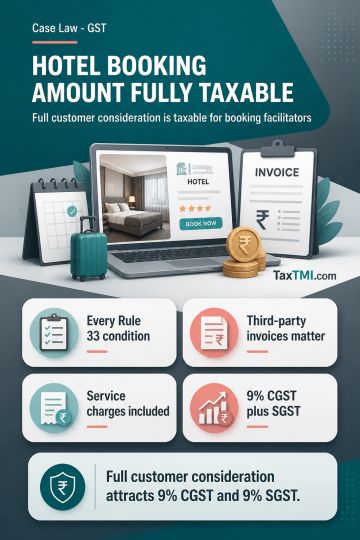
Pure-agent exclusion fails where hotel booking facilitators receive third-party services themselves, making entire customer consideration taxable as r...
Transfer pricing controversy turned on the correct characterization of transactions between an LLP and its associated enterprise, the proper appreciation of their FAR profiles, and the resulting arm's length pricing analysis. The Tribunal noted that the revenue authorities had relied on assumptions about the entities' activities and risk allocation, while the assessee's claim of cost-to-cost reimbursement had not been tested against complete contemporaneous material, including financials, employee profile, contractual terms and risk assumption. It held that the basis for applying the Profit Split Method was insufficiently reasoned and required fresh examination. The assessment and DRP-backed adjustment were set aside and the matter was restored to the AO/TPO for de novo adjudication and a speaking order.
Transfer pricing controversy turned on the correct characterization of transactions between an LLP and its associated enterprise, the proper appreciation of their FAR profiles, and the resulting arm's length pricing analysis. The Tribunal noted that the revenue authorities had relied on assumptions about the entities' activities and risk allocation, while the assessee's claim of cost-to-cost reimbursement had not been tested against complete contemporaneous material, including financials, employee profile, contractual terms and risk assumption. It held that the basis for applying the Profit Split Method was insufficiently reasoned and required fresh examination. The assessment and DRP-backed adjustment were set aside and the matter was restored to the AO/TPO for de novo adjudication and a speaking order.
Note: It is a system-generated summary and is for quick reference only.
 TaxTMI
  TaxTMI
 of 4823






 Join Channel


