Donor-directed corpus contributions retain capital character despite exemption claims under section 10(23C)(vi), preventing their treatment as taxable...
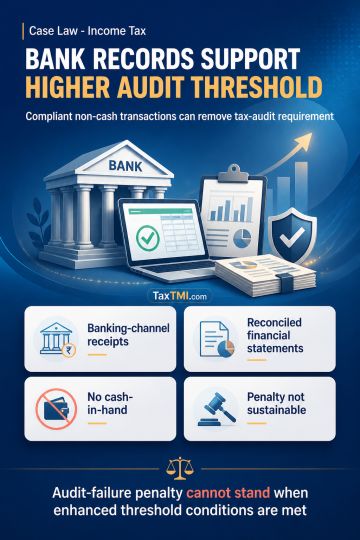
Enhanced tax-audit threshold applies where banking records establish compliant non-cash receipts and payments, eliminating penalty exposure for audit ...
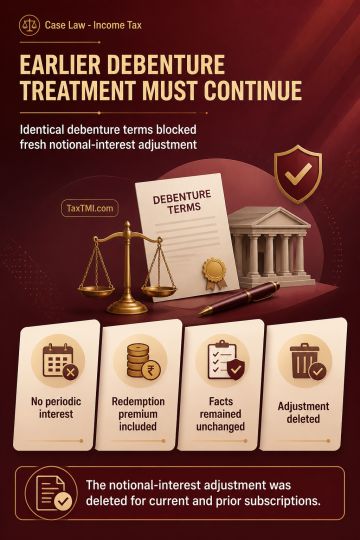
Transfer pricing consistency protects identical non-interest-bearing debenture terms from a later notional-interest adjustment without valid statutory...
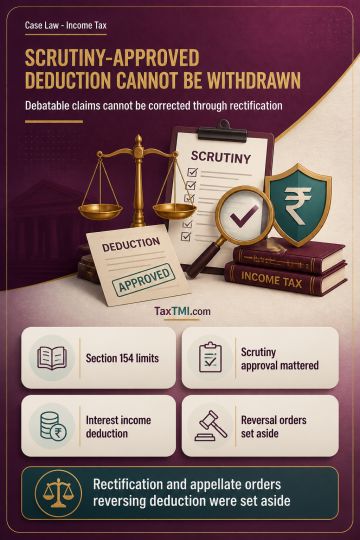
Rectification of debatable deduction claims cannot reverse scrutiny-approved co-operative society interest income deductions as apparent record errors...
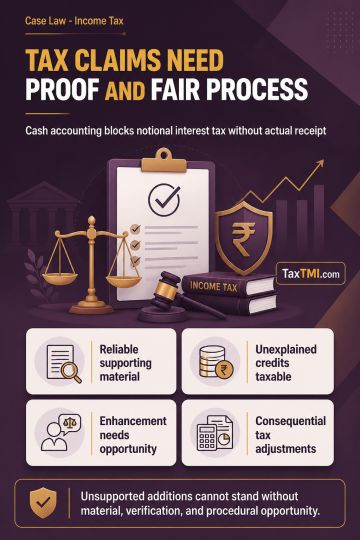
Cash-method accounting bars presumptive interest taxation, while unsupported securities and share-trading additions require reliable material and veri...
Transfer pricing controversy turned on the correct characterization of transactions between an LLP and its associated enterprise, the proper appreciation of their FAR profiles, and the resulting arm's length pricing analysis. The Tribunal noted that the revenue authorities had relied on assumptions about the entities' activities and risk allocation, while the assessee's claim of cost-to-cost reimbursement had not been tested against complete contemporaneous material, including financials, employee profile, contractual terms and risk assumption. It held that the basis for applying the Profit Split Method was insufficiently reasoned and required fresh examination. The assessment and DRP-backed adjustment were set aside and the matter was restored to the AO/TPO for de novo adjudication and a speaking order.
Transfer pricing controversy turned on the correct characterization of transactions between an LLP and its associated enterprise, the proper appreciation of their FAR profiles, and the resulting arm's length pricing analysis. The Tribunal noted that the revenue authorities had relied on assumptions about the entities' activities and risk allocation, while the assessee's claim of cost-to-cost reimbursement had not been tested against complete contemporaneous material, including financials, employee profile, contractual terms and risk assumption. It held that the basis for applying the Profit Split Method was insufficiently reasoned and required fresh examination. The assessment and DRP-backed adjustment were set aside and the matter was restored to the AO/TPO for de novo adjudication and a speaking order.
Note: It is a system-generated summary and is for quick reference only.
 TaxTMI
  TaxTMI
 of 4827








 Join Channel