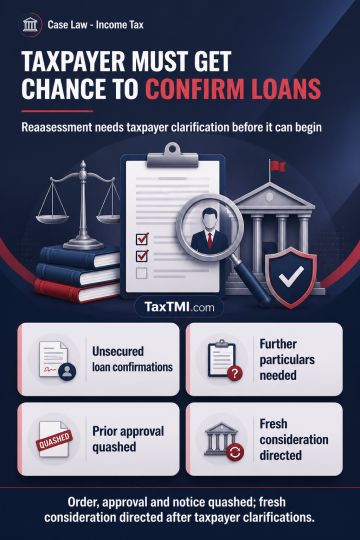
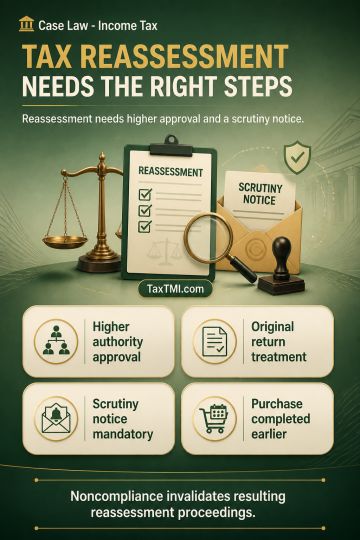
Opportunity to furnish unsecured-loan confirmations is required before reassessment initiation; proceedings require fresh consideration after taxpayer...
Under-reporting on a first reassessment return attracts penalty, while enhanced misreporting penalty requires proof of a statutory misreporting catego...
Notification No. 25/2023-Cus exempts non-sensitive inputs imported against a valid DFIA without requiring correlation of technical characteristics, quality or specifications, provided the goods match the endorsed description and satisfy the value and quantity limits in the authorisation. The exemption is confined to strict compliance with the DFIA licence, relevant SION norms and attached conditions; Customs must assess imports exactly as authorised, without adding to or diluting those terms. Where SION prescribes an actual user condition, the exemption is unavailable if that condition is breached. Conditions embedded in the DFIA scheme and licence sheet remain legally effective under the policy framework.
Notification No. 25/2023-Cus exempts non-sensitive inputs imported against a valid DFIA without requiring correlation of technical characteristics, quality or specifications, provided the goods match the endorsed description and satisfy the value and quantity limits in the authorisation. The exemption is confined to strict compliance with the DFIA licence, relevant SION norms and attached conditions; Customs must assess imports exactly as authorised, without adding to or diluting those terms. Where SION prescribes an actual user condition, the exemption is unavailable if that condition is breached. Conditions embedded in the DFIA scheme and licence sheet remain legally effective under the policy framework.
Note: It is a system-generated summary and is for quick reference only.
 TaxTMI
  TaxTMI
 of 4915