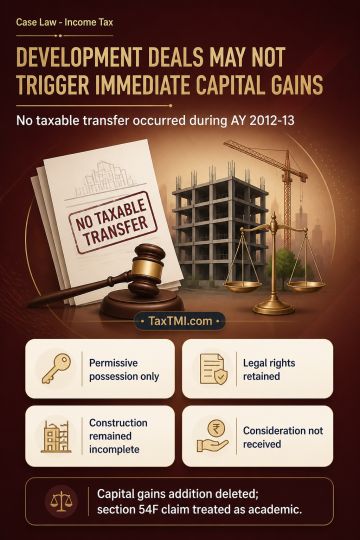
Development agreements require legal possession or effective enjoyment for capital gains transfer; permissive possession and deferred consideration de...
Prolonged sterilisation of development rights supports capital-gains treatment, while business-income disallowances cannot govern capital-gains comput...
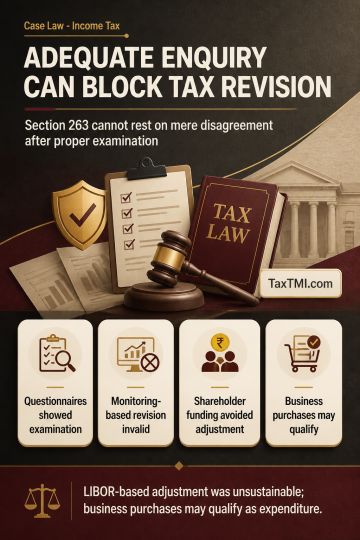
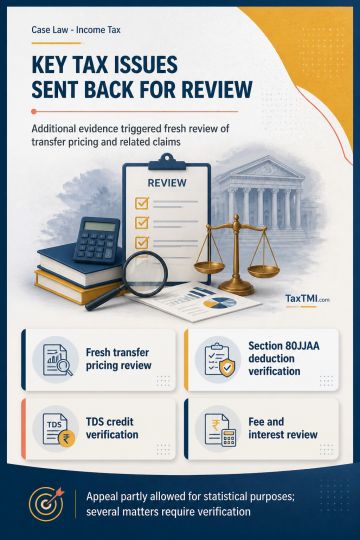
Additional evidence in transfer pricing dispute leads to fresh examination, while tax deductions, TDS credit, fee and refund interest require verifica...
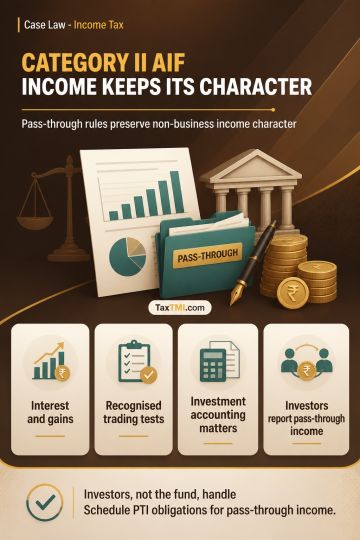
Category II AIF pass-through taxation preserves non-business income character; investment receipts cannot be reclassified without applying recognised ...
Condonation of an inordinate refiling delay was refused where...
Condonation of refiling delay refused where repeated defects, lack of diligence and vague explanations defeated the appeal against resolution plan approval.
Contents
Summary
Note
Bookmark
Share
✓ Copied successfully !
Print
Print Options
For full text, please login
Login to TaxTMI
Verification Pending
The Email Id has not been verified. Click on the link we have sent on
Condonation of an inordinate refiling delay was refused where the appellant failed to show sufficient cause for curing repeated defects in an appeal against approval of a resolution plan. The NCLAT held that liberal consideration of refiling delay depends on the facts of each case, but the appellant had acted without promptness after repeated defect notifications, and the appeal was filed after approval and implementation of the resolution plan. General explanations of logistical difficulty, bulky papers and holidays were found insufficient, and non-deposit of the requisite fee indicated lack of diligence. The application for condonation was rejected, and the memorandum of appeal was consequently rejected.
Condonation of an inordinate refiling delay was refused where the appellant failed to show sufficient cause for curing repeated defects in an appeal against approval of a resolution plan. The NCLAT held that liberal consideration of refiling delay depends on the facts of each case, but the appellant had acted without promptness after repeated defect notifications, and the appeal was filed after approval and implementation of the resolution plan. General explanations of logistical difficulty, bulky papers and holidays were found insufficient, and non-deposit of the requisite fee indicated lack of diligence. The application for condonation was rejected, and the memorandum of appeal was consequently rejected.
Note: It is a system-generated summary and is for quick reference only.
 TaxTMI
  TaxTMI
 of 4816






 Join Channel