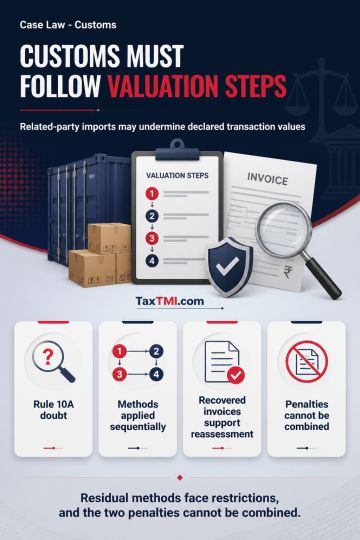
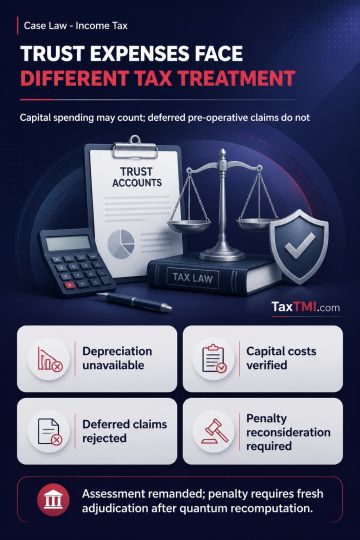
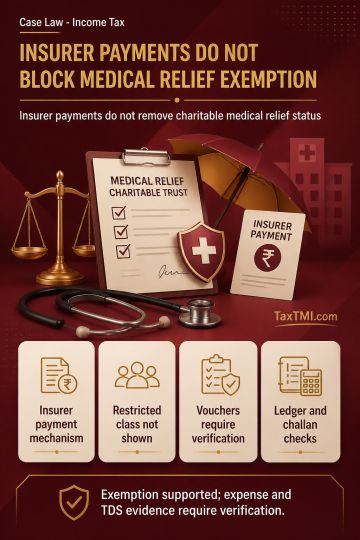
Charitable trust income application permits verified capital expenditure but rejects deferred pre-operative claims and requires reconsideration of con...
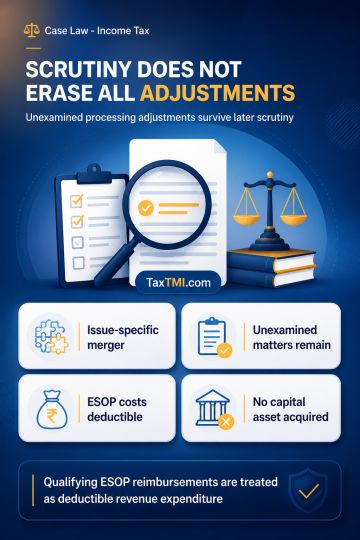
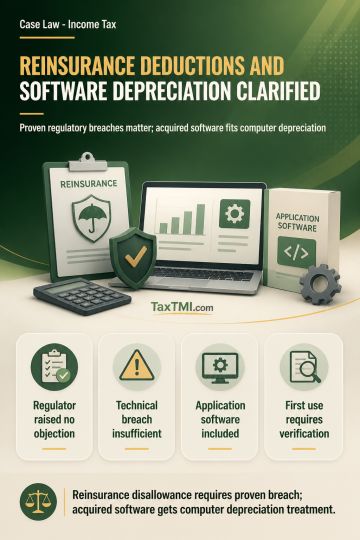
Reinsurance premium deductions require established regulatory breaches, while independently acquired software qualifies within the computer depreciati...
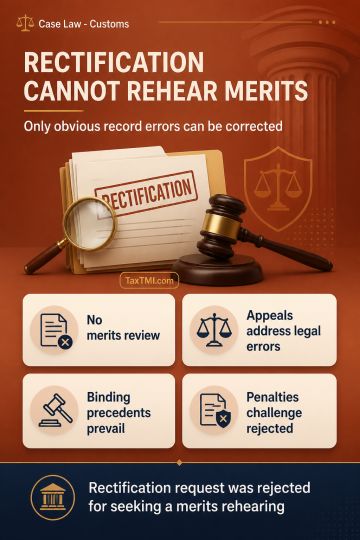
Rectification of mistake remains limited to self-evident record errors, preventing merits review through miscellaneous applications and preserving fin...
A Section 9 insolvency petition was held not maintainable because the debt attributable to the corporate debtor alone did not meet the statutory minimum threshold under Section 4. The tribunal found that most invoices related to a sole proprietorship concern, while only a small portion stood in the name of the company. It held that the company and the proprietorship were separate legal entities, so liabilities of the proprietorship could not be aggregated with those of the corporate debtor merely because both were managed by the same person. The dismissal of the petition was therefore upheld.
A Section 9 insolvency petition was held not maintainable because the debt attributable to the corporate debtor alone did not meet the statutory minimum threshold under Section 4. The tribunal found that most invoices related to a sole proprietorship concern, while only a small portion stood in the name of the company. It held that the company and the proprietorship were separate legal entities, so liabilities of the proprietorship could not be aggregated with those of the corporate debtor merely because both were managed by the same person. The dismissal of the petition was therefore upheld.
Note: It is a system-generated summary and is for quick reference only.
 TaxTMI
  TaxTMI
 of 4819





 Join Channel