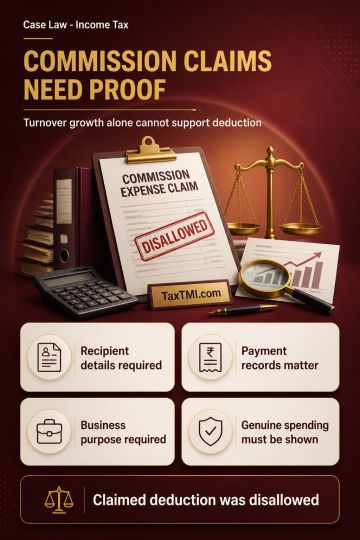
Business expenditure deduction requires proof of genuine commission payments and commercial allowability; turnover growth alone cannot validate the cl...
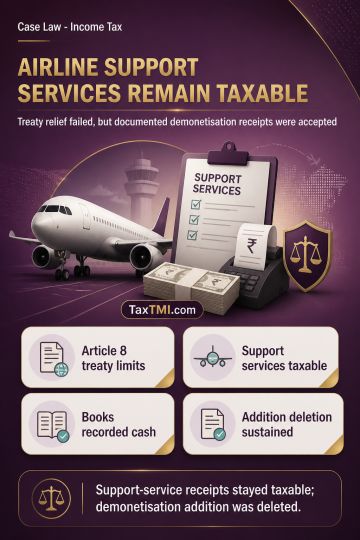
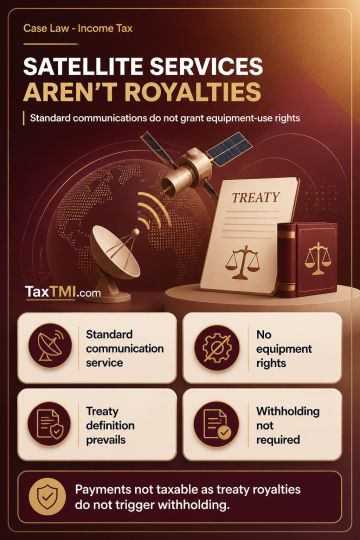
Article 8 treaty coverage excluded third-party airline support services, while documented demonetisation cash receipts remained accepted business inco...
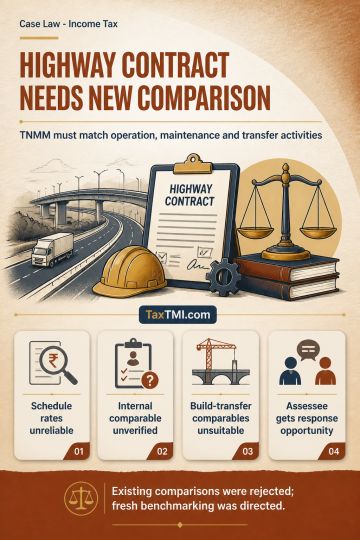
Functional comparability under TNMM requires highway contract benchmarks to reflect operation, maintenance and transfer activities, requiring fresh be...
A Section 9 insolvency petition was held not maintainable because the debt attributable to the corporate debtor alone did not meet the statutory minimum threshold under Section 4. The tribunal found that most invoices related to a sole proprietorship concern, while only a small portion stood in the name of the company. It held that the company and the proprietorship were separate legal entities, so liabilities of the proprietorship could not be aggregated with those of the corporate debtor merely because both were managed by the same person. The dismissal of the petition was therefore upheld.
A Section 9 insolvency petition was held not maintainable because the debt attributable to the corporate debtor alone did not meet the statutory minimum threshold under Section 4. The tribunal found that most invoices related to a sole proprietorship concern, while only a small portion stood in the name of the company. It held that the company and the proprietorship were separate legal entities, so liabilities of the proprietorship could not be aggregated with those of the corporate debtor merely because both were managed by the same person. The dismissal of the petition was therefore upheld.
Note: It is a system-generated summary and is for quick reference only.
 TaxTMI
  TaxTMI
 of 4821



 Join Channel


