Commercial vehicle depreciation, scientifically determined warranty provisions and exempt-income disallowances were resolved in favour of the taxpayer...
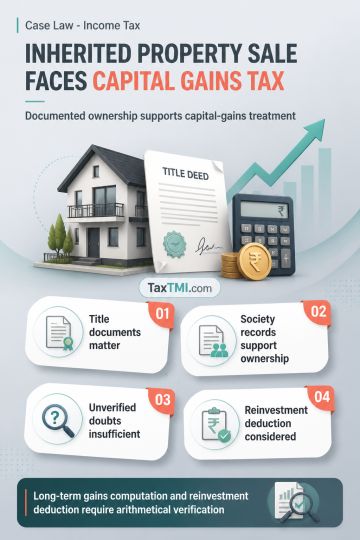
Inherited property sale proceeds require capital-gains treatment where ownership is supported by evidence, not suspicion or unverified signature doubt...
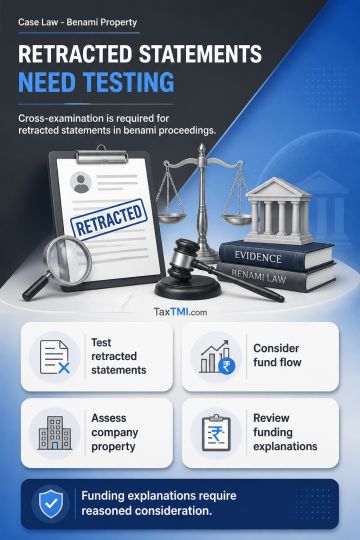
Cross-examination of retracted statements is essential where foundational evidence supports a benami allegation and documented funding explanations re...
Capital-goods exemption covers plant-modernisation accessories, while the import restriction applies only to earlier capital-goods components and spar...
Constitutional judicial review permits challenges to ECIRs and connected money-laundering proceedings where coercive action affects fundamental intere...
A Section 9 insolvency petition was held not maintainable because the debt attributable to the corporate debtor alone did not meet the statutory minimum threshold under Section 4. The tribunal found that most invoices related to a sole proprietorship concern, while only a small portion stood in the name of the company. It held that the company and the proprietorship were separate legal entities, so liabilities of the proprietorship could not be aggregated with those of the corporate debtor merely because both were managed by the same person. The dismissal of the petition was therefore upheld.
A Section 9 insolvency petition was held not maintainable because the debt attributable to the corporate debtor alone did not meet the statutory minimum threshold under Section 4. The tribunal found that most invoices related to a sole proprietorship concern, while only a small portion stood in the name of the company. It held that the company and the proprietorship were separate legal entities, so liabilities of the proprietorship could not be aggregated with those of the corporate debtor merely because both were managed by the same person. The dismissal of the petition was therefore upheld.
Note: It is a system-generated summary and is for quick reference only.
 TaxTMI
  TaxTMI
 of 4823











 Join Channel


