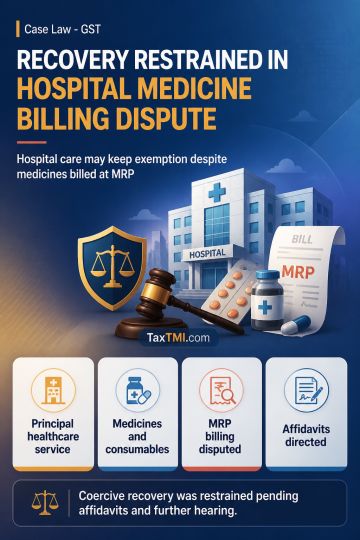
Composite inpatient healthcare supply may retain exemption despite MRP medicine billing, while separate taxable sale characterisation remains disputed...
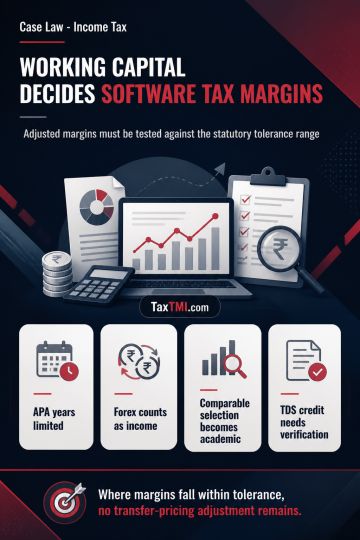
Working-capital adjustment determines whether software-services transfer-pricing margins fall within the statutory tolerance range, eliminating any ad...
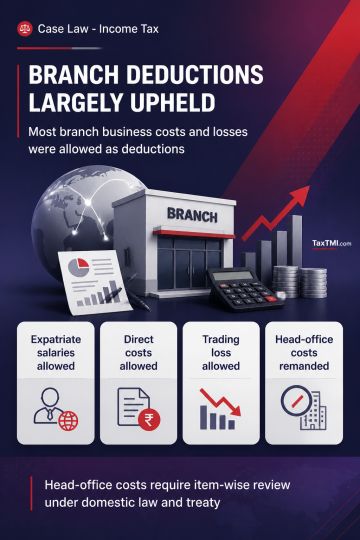
Permanent establishment deductions upheld for expatriate salaries, direct costs and trading losses, while head-office costs require fresh classificati...
Once a return is filed in response to a notice under section 148, issuance of notice under section 143(2) is a mandatory statutory requirement; non-issuance is not a curable defect. The Tribunal held that the return could not be treated as non est merely because it was filed beyond the period mentioned in the reassessment notice, and read the amended provision harmoniously with the CBDT e-verification clarifications. Since no section 143(2) notice was issued after the return was filed, the reassessment was held bad in law, void ab initio, and quashed; the remaining grounds were left open.
Once a return is filed in response to a notice under section 148, issuance of notice under section 143(2) is a mandatory statutory requirement; non-issuance is not a curable defect. The Tribunal held that the return could not be treated as non est merely because it was filed beyond the period mentioned in the reassessment notice, and read the amended provision harmoniously with the CBDT e-verification clarifications. Since no section 143(2) notice was issued after the return was filed, the reassessment was held bad in law, void ab initio, and quashed; the remaining grounds were left open.
Note: It is a system-generated summary and is for quick reference only.
 TaxTMI
  TaxTMI
 of 4817






 Join Channel