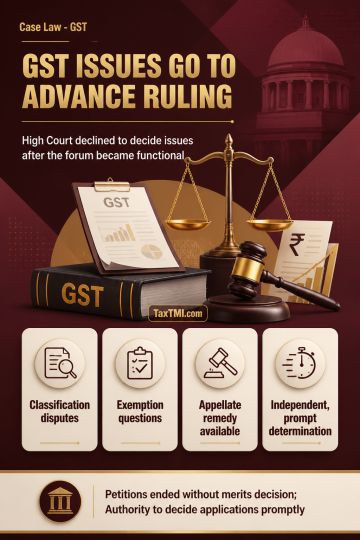
Advance-ruling mechanism governs pending GST classification, exemption and taxability disputes, limiting writ review once the specialised forum functi...
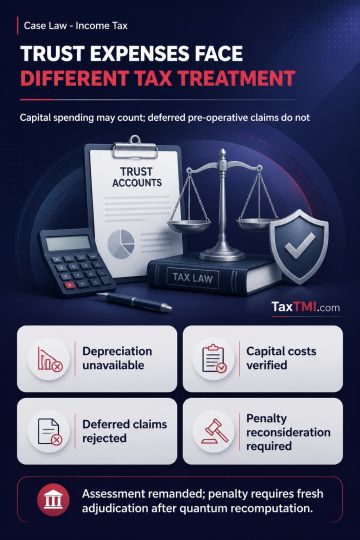
Charitable trust income application permits verified capital expenditure but rejects deferred pre-operative claims and requires reconsideration of con...
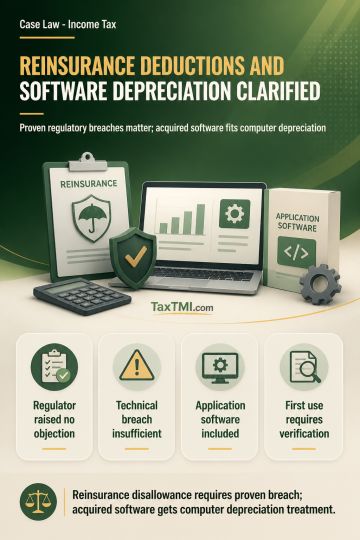
Reinsurance premium deductions require established regulatory breaches, while independently acquired software qualifies within the computer depreciati...
A VAT attachment could not survive a liquidation sale where the Department's claim was filed belatedly, rejected, and never admitted in insolvency. The Court distinguished Rainbow Papers, noting that it concerned the unamended regulation and corporate resolution, whereas the present case arose in liquidation under the amended claim process. It held that the Insolvency and Bankruptcy Code's waterfall mechanism and overriding effect prevent a pre-existing attachment from defeating the auction purchaser's title or being revived through writ proceedings. The Court also held that a statutory charge under the TNVAT Act does not, by itself, make the Department a secured creditor under the Code, and directed a contra entry in the encumbrance records.
A VAT attachment could not survive a liquidation sale where the Department's claim was filed belatedly, rejected, and never admitted in insolvency. The Court distinguished Rainbow Papers, noting that it concerned the unamended regulation and corporate resolution, whereas the present case arose in liquidation under the amended claim process. It held that the Insolvency and Bankruptcy Code's waterfall mechanism and overriding effect prevent a pre-existing attachment from defeating the auction purchaser's title or being revived through writ proceedings. The Court also held that a statutory charge under the TNVAT Act does not, by itself, make the Department a secured creditor under the Code, and directed a contra entry in the encumbrance records.
Note: It is a system-generated summary and is for quick reference only.
 TaxTMI
  TaxTMI
 of 4817



 Join Channel