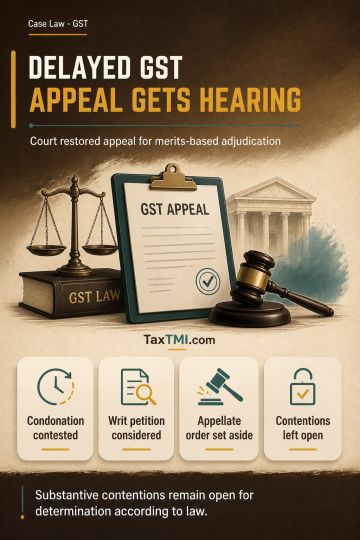
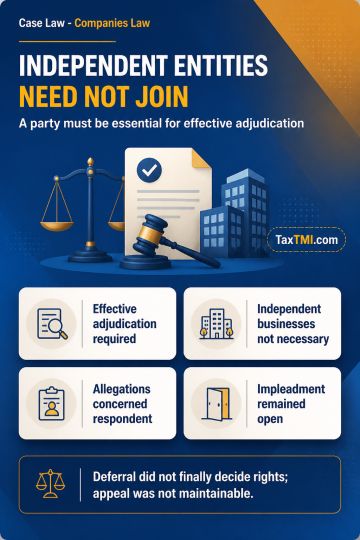
Necessary-party requirements limit impleadment of independent entities, while deferred consideration does not create an appealable adverse determinati...
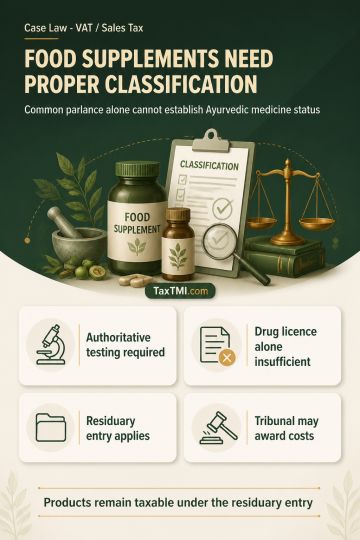
Food supplement classification requires common parlance and authoritative tests, preventing treatment as proprietary Ayurvedic medicines without suppo...
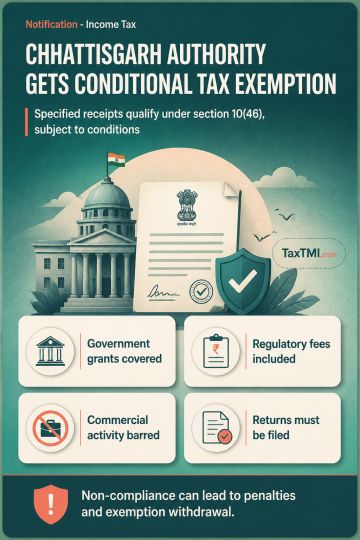
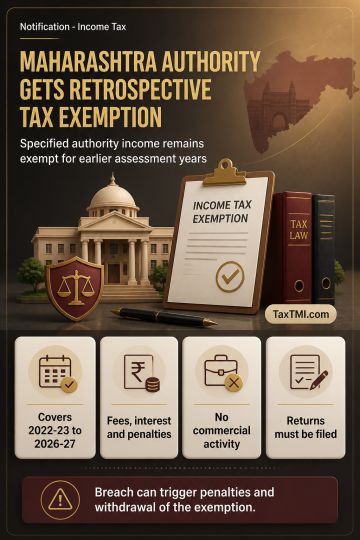
Specified regulatory authority income receives conditional tax exemption, subject to non-commercial activity, unchanged income character, and return f...
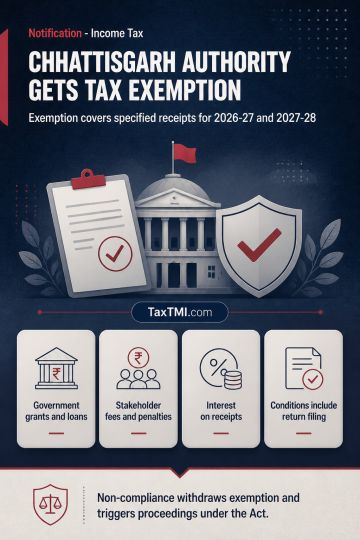
Tax exemption for regulatory authority income applies retrospectively, subject to non-commercial activity, unchanged income sources, and return-filing...
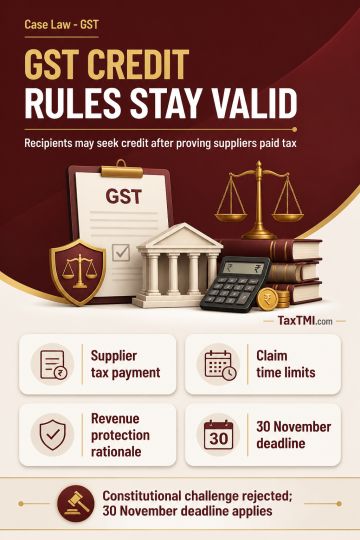
Input tax credit conditions remain constitutionally valid, with eligible recipient claims considered under GST circulars and retrospective filing dead...
A VAT attachment could not survive a liquidation sale where the Department's claim was filed belatedly, rejected, and never admitted in insolvency. The Court distinguished Rainbow Papers, noting that it concerned the unamended regulation and corporate resolution, whereas the present case arose in liquidation under the amended claim process. It held that the Insolvency and Bankruptcy Code's waterfall mechanism and overriding effect prevent a pre-existing attachment from defeating the auction purchaser's title or being revived through writ proceedings. The Court also held that a statutory charge under the TNVAT Act does not, by itself, make the Department a secured creditor under the Code, and directed a contra entry in the encumbrance records.
A VAT attachment could not survive a liquidation sale where the Department's claim was filed belatedly, rejected, and never admitted in insolvency. The Court distinguished Rainbow Papers, noting that it concerned the unamended regulation and corporate resolution, whereas the present case arose in liquidation under the amended claim process. It held that the Insolvency and Bankruptcy Code's waterfall mechanism and overriding effect prevent a pre-existing attachment from defeating the auction purchaser's title or being revived through writ proceedings. The Court also held that a statutory charge under the TNVAT Act does not, by itself, make the Department a secured creditor under the Code, and directed a contra entry in the encumbrance records.
Note: It is a system-generated summary and is for quick reference only.
 TaxTMI
  TaxTMI
 of 4817






 Join Channel