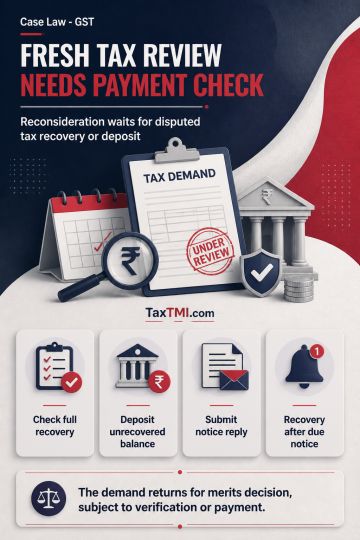
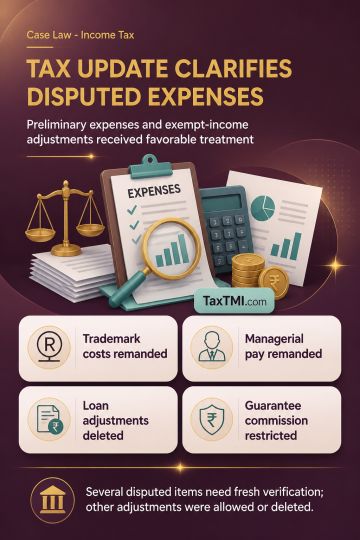
Preliminary-expense amortisation and MAT exempt-income adjustments prevailed, while trademark costs and managerial remuneration require fresh verifica...
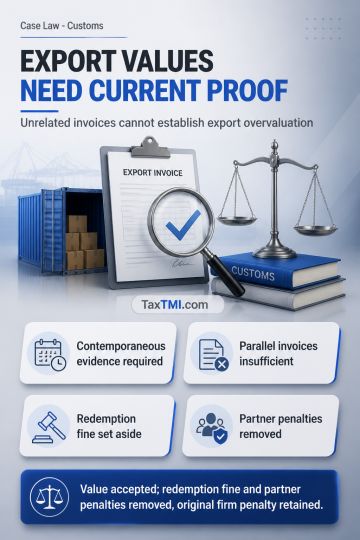
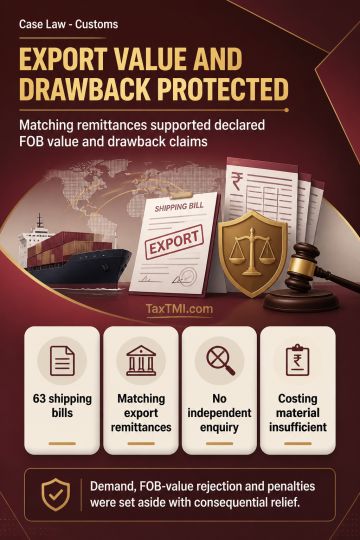
Export valuation requires contemporaneous evidence; unrelated invoices cannot prove overvaluation, and dual penalties on firm and partner are impermis...
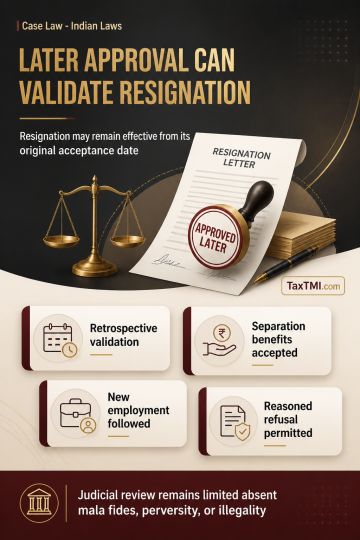
Ratification of resignation acceptance validates separation retrospectively, while withdrawal may be refused through reasoned administrative discretio...
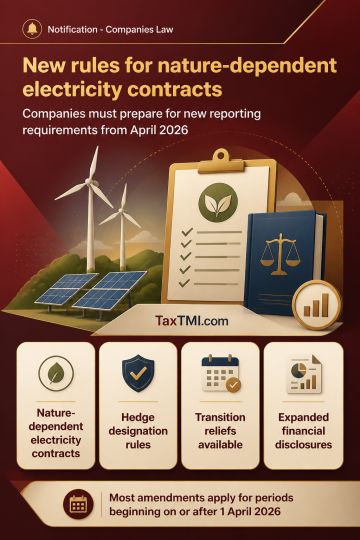
Nature-dependent electricity contracts receive new Ind AS accounting, hedge designation, transition and financial-statement disclosure requirements fr...
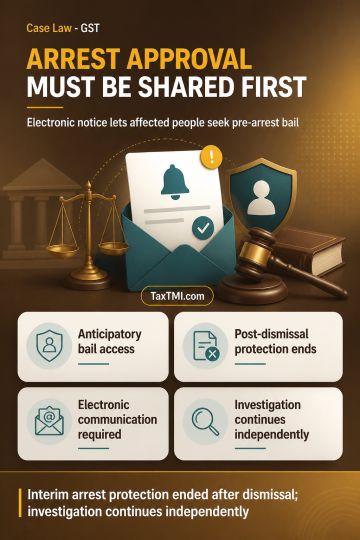
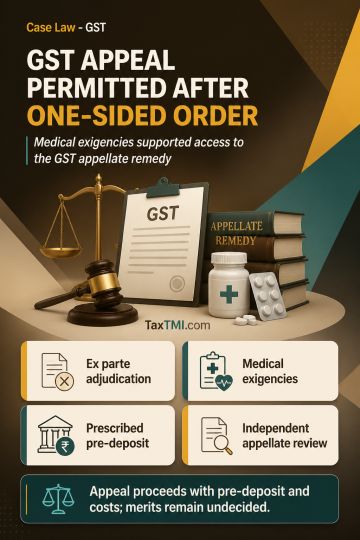
Alternative GST remedy permitted protective writ intervention for ex parte adjudication, preserving independent appellate review of input tax credit d...
A VAT attachment could not survive a liquidation sale where the Department's claim was filed belatedly, rejected, and never admitted in insolvency. The Court distinguished Rainbow Papers, noting that it concerned the unamended regulation and corporate resolution, whereas the present case arose in liquidation under the amended claim process. It held that the Insolvency and Bankruptcy Code's waterfall mechanism and overriding effect prevent a pre-existing attachment from defeating the auction purchaser's title or being revived through writ proceedings. The Court also held that a statutory charge under the TNVAT Act does not, by itself, make the Department a secured creditor under the Code, and directed a contra entry in the encumbrance records.
A VAT attachment could not survive a liquidation sale where the Department's claim was filed belatedly, rejected, and never admitted in insolvency. The Court distinguished Rainbow Papers, noting that it concerned the unamended regulation and corporate resolution, whereas the present case arose in liquidation under the amended claim process. It held that the Insolvency and Bankruptcy Code's waterfall mechanism and overriding effect prevent a pre-existing attachment from defeating the auction purchaser's title or being revived through writ proceedings. The Court also held that a statutory charge under the TNVAT Act does not, by itself, make the Department a secured creditor under the Code, and directed a contra entry in the encumbrance records.
Note: It is a system-generated summary and is for quick reference only.
 TaxTMI
  TaxTMI
 of 4821



 Join Channel