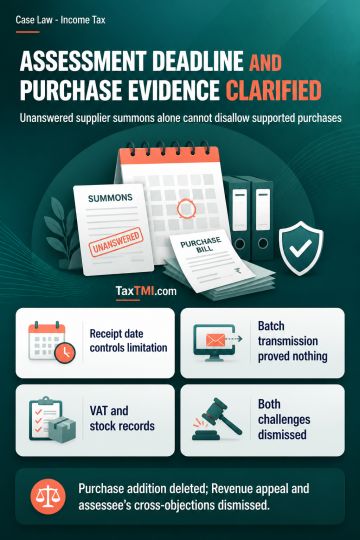
Limitation for consequential assessments runs from prescribed authority receipt, while verified purchases cannot be disallowed merely for unanswered s...
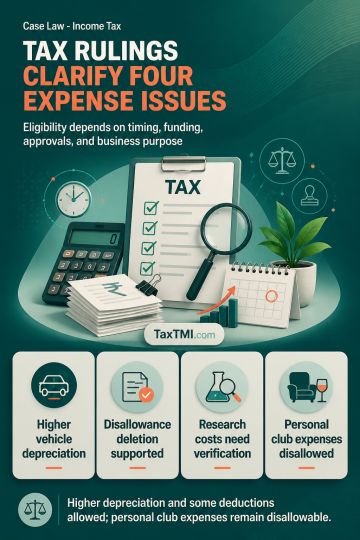
Higher depreciation for qualifying commercial vehicles, exempt-income disallowance, research deduction verification, and club-expense treatment clarif...
Charitable registration renewal cannot become an assessment of receipts, profitability or annual exemption compliance, requiring renewal and donation ...
AMP expenditure for own business is not an international transaction without an associated-enterprise arrangement, eliminating transfer pricing adjust...
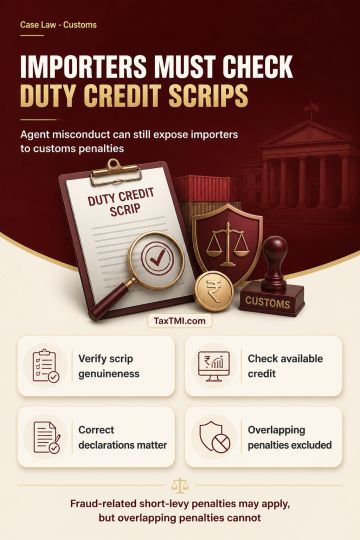
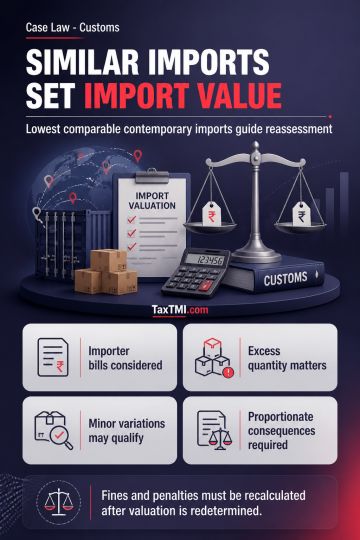
Customs valuation must use comparable contemporary imports, while confiscation fines and penalties require proportionate recalculation on reassessed v...
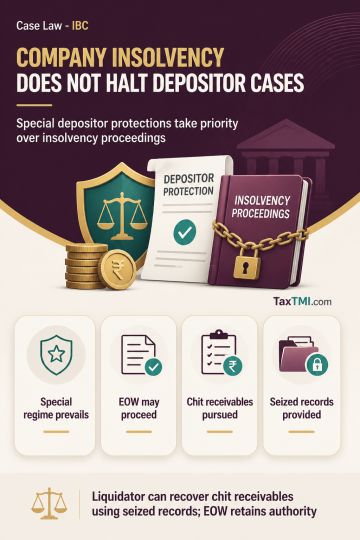
Depositor-protection proceedings prevail over corporate insolvency, while liquidators may recover chit receivables using copies of seized company reco...
A VAT attachment could not survive a liquidation sale where the Department's claim was filed belatedly, rejected, and never admitted in insolvency. The Court distinguished Rainbow Papers, noting that it concerned the unamended regulation and corporate resolution, whereas the present case arose in liquidation under the amended claim process. It held that the Insolvency and Bankruptcy Code's waterfall mechanism and overriding effect prevent a pre-existing attachment from defeating the auction purchaser's title or being revived through writ proceedings. The Court also held that a statutory charge under the TNVAT Act does not, by itself, make the Department a secured creditor under the Code, and directed a contra entry in the encumbrance records.
A VAT attachment could not survive a liquidation sale where the Department's claim was filed belatedly, rejected, and never admitted in insolvency. The Court distinguished Rainbow Papers, noting that it concerned the unamended regulation and corporate resolution, whereas the present case arose in liquidation under the amended claim process. It held that the Insolvency and Bankruptcy Code's waterfall mechanism and overriding effect prevent a pre-existing attachment from defeating the auction purchaser's title or being revived through writ proceedings. The Court also held that a statutory charge under the TNVAT Act does not, by itself, make the Department a secured creditor under the Code, and directed a contra entry in the encumbrance records.
Note: It is a system-generated summary and is for quick reference only.
 TaxTMI
  TaxTMI
 of 4821







 Join Channel