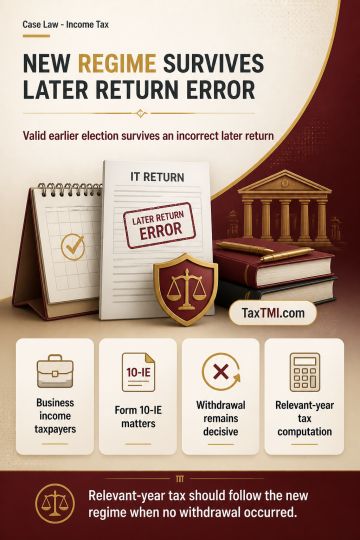
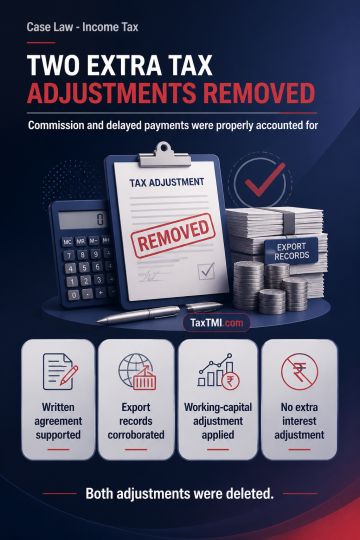
Pure reimbursement without income element escapes tax withholding, while delayed withholding and unsupported provisions face deferred or renewed scrut...
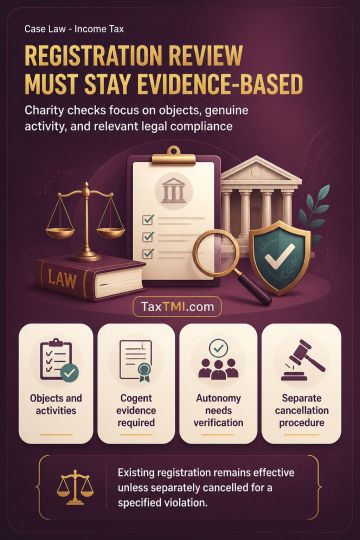
Public benefit requirement defeats charitable registration where residents' association services are reciprocal, member-only facilities governed by mu...
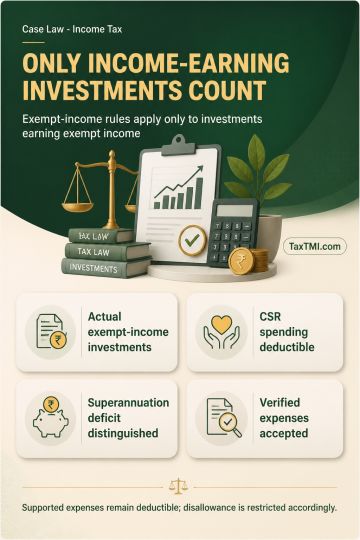
Exempt-income expenditure disallowance is confined to investments that actually generated exempt income, while supported business expenses remain dedu...
Objective characteristics and principal use govern mining-tyre classification, while fresh advance ruling applications may rely on additional technica...
The amendment relaxes the REIT asset-quality thresholds in the 2014 Regulations by reducing the prescribed credit risk value benchmark from 12 to 10 in the relevant definitions and investment conditions, and by expanding the eligible risk matrix category to include Class B-I alongside Class A-I. It also makes a drafting correction to capitalisation in the reference to Government Securities, treasury bills and repo on Government Securities. These changes take effect on publication in the Official Gazette and alter the classification and eligibility criteria applicable to REIT-related holdings.
The amendment relaxes the REIT asset-quality thresholds in the 2014 Regulations by reducing the prescribed credit risk value benchmark from 12 to 10 in the relevant definitions and investment conditions, and by expanding the eligible risk matrix category to include Class B-I alongside Class A-I. It also makes a drafting correction to capitalisation in the reference to Government Securities, treasury bills and repo on Government Securities. These changes take effect on publication in the Official Gazette and alter the classification and eligibility criteria applicable to REIT-related holdings.
Note: It is a system-generated summary and is for quick reference only.
 TaxTMI
  TaxTMI
 of 4821














 Join Channel


