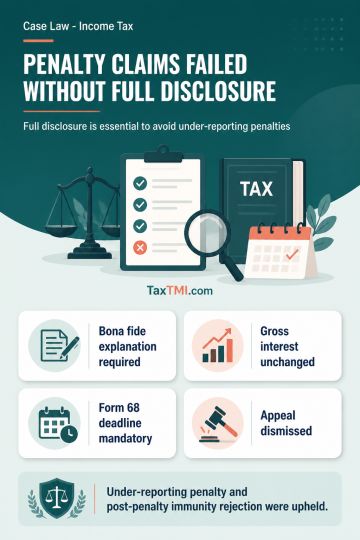
Bona fide disclosure requirements govern under-reporting penalties, and post-penalty immunity applications cannot secure available statutory protectio...
Certificate-of-origin verification procedure governs preferential customs benefits; denial without retroactive verification was set aside with consequ...
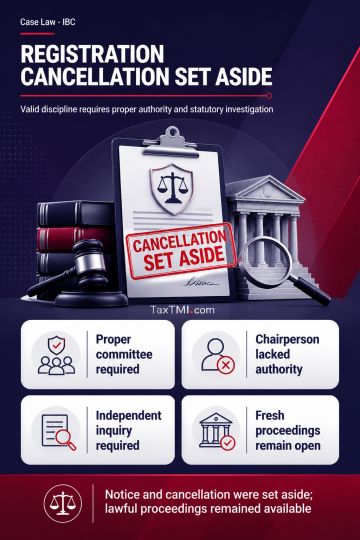
Disciplinary Committee jurisdiction and mandatory investigation requirements invalidated cancellation of an insolvency professional's registration and...
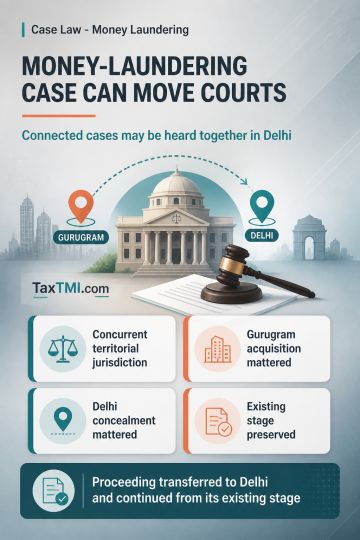
Retention of seized property survives where recorded reasons support proceeds of crime, while stayed investigation periods are excluded from limitatio...
ITAT held that a scrutiny notice under section 143(2) was invalid because it was not issued in the CBDT-prescribed format, and quashed the assessment as void ab initio. On merits, it held that capital gains on two Mumbai offices were not taxable in the later year because the assessee had already sold the property, handed over possession and received consideration earlier. It allowed cost of improvement for land at Visakhapatnam and accepted the indexed cost and improvement claim for Jagi Road land, holding that old audited book entries and a valuer's report could not be rejected without reasons. It also deleted taxation of rent again in the year of receipt under the mercantile system and allowed club-related business expenditure on commercial expediency.
ITAT held that a scrutiny notice under section 143(2) was invalid because it was not issued in the CBDT-prescribed format, and quashed the assessment as void ab initio. On merits, it held that capital gains on two Mumbai offices were not taxable in the later year because the assessee had already sold the property, handed over possession and received consideration earlier. It allowed cost of improvement for land at Visakhapatnam and accepted the indexed cost and improvement claim for Jagi Road land, holding that old audited book entries and a valuer's report could not be rejected without reasons. It also deleted taxation of rent again in the year of receipt under the mercantile system and allowed club-related business expenditure on commercial expediency.
Note: It is a system-generated summary and is for quick reference only.
 TaxTMI
  TaxTMI
 of 4817

















 Join Channel


