Clean slate principle extinguishes uncrystallised operational claims and bars continuation of pending recovery and arbitral proceedings after plan app...
Works contract classification governs composite layout-development contracts where VAT-paid goods are transferred alongside construction and infrastru...
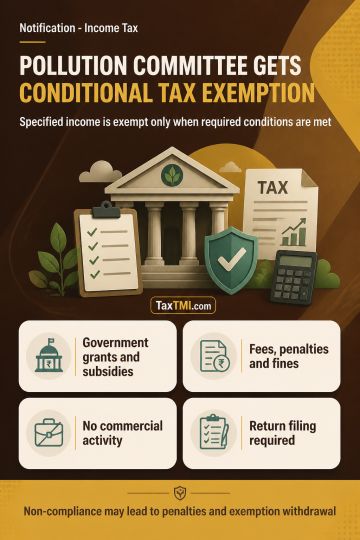
Specified income tax exemption for pollution control body remains conditional on non-commercial activity, unchanged income character, and return filin...
Jurisdictional facts in certificate-of-origin discrepancies can support customs show-cause proceedings, leaving factual explanations for departmental ...
ITAT held that a scrutiny notice under section 143(2) was invalid because it was not issued in the CBDT-prescribed format, and quashed the assessment as void ab initio. On merits, it held that capital gains on two Mumbai offices were not taxable in the later year because the assessee had already sold the property, handed over possession and received consideration earlier. It allowed cost of improvement for land at Visakhapatnam and accepted the indexed cost and improvement claim for Jagi Road land, holding that old audited book entries and a valuer's report could not be rejected without reasons. It also deleted taxation of rent again in the year of receipt under the mercantile system and allowed club-related business expenditure on commercial expediency.
ITAT held that a scrutiny notice under section 143(2) was invalid because it was not issued in the CBDT-prescribed format, and quashed the assessment as void ab initio. On merits, it held that capital gains on two Mumbai offices were not taxable in the later year because the assessee had already sold the property, handed over possession and received consideration earlier. It allowed cost of improvement for land at Visakhapatnam and accepted the indexed cost and improvement claim for Jagi Road land, holding that old audited book entries and a valuer's report could not be rejected without reasons. It also deleted taxation of rent again in the year of receipt under the mercantile system and allowed club-related business expenditure on commercial expediency.
Note: It is a system-generated summary and is for quick reference only.
 TaxTMI
  TaxTMI
 of 4817












 Join Channel