Mutual fund maturity rules require proper rollover, redemption, disclosure, and due diligence; investor gains cannot excuse regulatory breaches or pen...
Threshold exemption excludes exempt services, while stamp-paper purchases avoid reverse charge; consequential service tax penalties were also set asid...
Employee conflict disclosures and investment restrictions expand with new recusal duties, post-employment limits, and compliance reporting requirement...
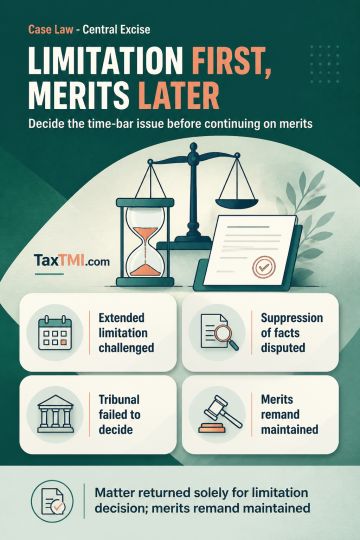
For IGST classification, the tariff heading used in the rate notification was treated as inseparably linked to the goods description, so the Department could not shift the goods to a residual entry without first challenging the importer's self-assessed classification under heading 8432. As the show cause notice did not seek reclassification or dispute that classification, a higher IGST demand under the residual serial could not be sustained and the appellate remand for fresh adjudication was unwarranted. The Tribunal also held that the extended limitation period was unavailable because the notice did not establish wilful misstatement, collusion or suppression of facts. The remand was set aside and the order dropping the demand was restored.
For IGST classification, the tariff heading used in the rate notification was treated as inseparably linked to the goods description, so the Department could not shift the goods to a residual entry without first challenging the importer's self-assessed classification under heading 8432. As the show cause notice did not seek reclassification or dispute that classification, a higher IGST demand under the residual serial could not be sustained and the appellate remand for fresh adjudication was unwarranted. The Tribunal also held that the extended limitation period was unavailable because the notice did not establish wilful misstatement, collusion or suppression of facts. The remand was set aside and the order dropping the demand was restored.
Note: It is a system-generated summary and is for quick reference only.
 TaxTMI
  TaxTMI
 of 4814





















 Join Channel


