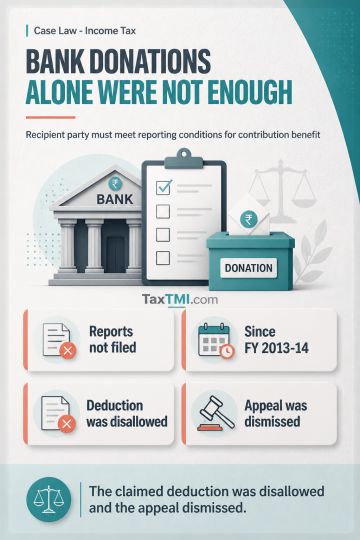
Political contribution deductions require recipient party compliance with contribution-reporting conditions; banking-channel donations alone do not qu...
Aggregation under TNMM prevents selective testing of intra-group services without comparable uncontrolled transactions, while appellate additional cla...
Protective assessment cannot duplicate identical receipts under competing characterisations; remote services did not establish a taxable permanent est...
Current account treatment of overseas tournament services removed most FEMA findings, but excess EEFC remittance and delayed repatriation remained bre...
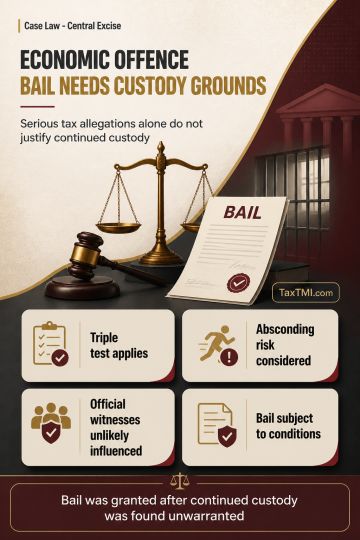
Modification of bail conditions remains available through inherent jurisdiction where onerous deposits undermine justice and cannot recover disputed d...
Merchant banker regulation consolidates registration, governance, capital, reporting, outsourcing and investor-protection requirements under an update...
NCLAT held that initiation of perjury proceedings requires prima facie proof of a deliberate falsehood on a matter of substance, supported by distinct evidence and not mere suspicion. The resolution professional's reply affidavit, filed in defence of the CIRP steps and in response to an attempt to reopen the approved plan, did not disclose mala fides or any deceptive statement amounting to perjury, so rejection of that application was upheld. It also affirmed that an approved resolution plan under the IBC is binding on all stakeholders, and that belated attempts to unsettle an unchallenged, implemented plan were frivolous, justifying costs for abuse of process.
NCLAT held that initiation of perjury proceedings requires prima facie proof of a deliberate falsehood on a matter of substance, supported by distinct evidence and not mere suspicion. The resolution professional's reply affidavit, filed in defence of the CIRP steps and in response to an attempt to reopen the approved plan, did not disclose mala fides or any deceptive statement amounting to perjury, so rejection of that application was upheld. It also affirmed that an approved resolution plan under the IBC is binding on all stakeholders, and that belated attempts to unsettle an unchallenged, implemented plan were frivolous, justifying costs for abuse of process.
Note: It is a system-generated summary and is for quick reference only.
 TaxTMI
  TaxTMI
 of 4823



















 Join Channel